


💛 A quick favor, if you've got a second.
We're really happy that you chose to read one of our stories and sincerely hope you'll stick around to read more. We took our paywall down — for now — but that won't last forever, and when the gate goes back up, we'd love for you to already be on the inside.
It's free. So please enter your email here and don't forget to like and follow us on all of your favorite Social Media platforms!
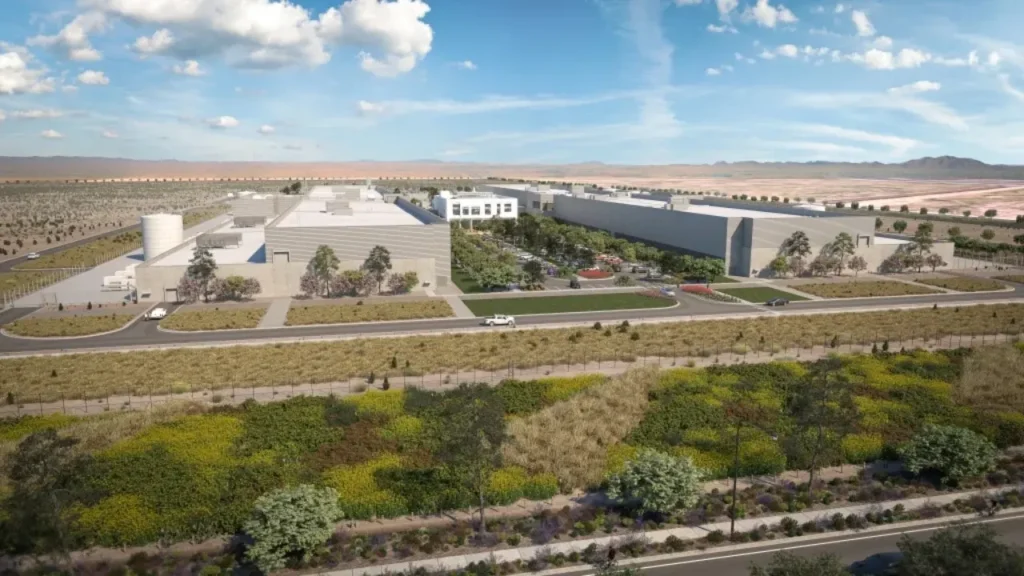
The rapid expansion of data centers has become a flashpoint in midterm elections and state policy debates, with fewer than 30% of Americans supporting new facilities in their communities. The infrastructure that powers cloud computing, streaming services, online banking, and other digital systems has drawn intense scrutiny as companies propose larger installations requiring substantial electricity, water, and land resources. Communities often learn of major projects only after development plans are already underway, fueling public resentment and political pushback.
While data center operators emphasize the industry’s critical role in artificial intelligence development and America’s technological leadership, their messaging has largely failed to resonate with ordinary consumers. The sector relied on technical jargon and assurances rather than directly addressing residents’ practical concerns about rising electric bills, water supply strain, and noise pollution. This disconnect between industry priorities and community interests has left most Americans unconvinced of the personal benefits data centers offer.
State governors have begun responding to constituent pressure with regulatory interventions. Texas Gov. Greg Abbott ordered a pause on new data center approvals pending a statewide grid audit, while Georgia’s Public Service Commission adopted rules preventing costs associated with data center operations from shifting to residential customers and small businesses. Pennsylvania Gov. Josh Shapiro recently restricted data center projects by removing them from the state’s Fast Track permitting program.
The industry’s initial failure to engage communities has inadvertently strengthened opponents’ positions in policy debates, allowing climate activist groups and other critics to gain significant influence. Congressional inquiries suggest foreign state media and international funding networks may have also contributed to anti-data center campaigns across the country.
Modern data centers are implementing solutions to address public concerns, including closed-loop cooling systems that reduce water consumption, noise mitigation measures, and renewable energy integration. Loudoun County, Virginia has collected nearly half its property tax revenue from data centers, while Quincy, Washington used data center revenues to fund a hospital, emergency services facilities, and a $120 million high school. Ellendale, North Dakota saw annual sales tax revenue increase from approximately $400,000 to $3.5 million in the first seven months of 2026 following data center development.
Industry advocates argue that consumers, when presented with concrete community benefits and credible environmental safeguards, may support well-designed data center projects. The sector’s path forward depends on transparent communication about how facilities will mitigate environmental risks while demonstrating clear economic advantages to host communities.

More Stories
Colombia backs Trump security push while limiting U.S. role in anti-gang operations
Chicago Mayor Issues Executive Order Requiring Contractor Diversity Disclosures and ICE Ties Reporting
University of Pennsylvania Climate Scientist Demands Supreme Court Packing Pledge From Democratic Candidates