


💛 A quick favor, if you've got a second.
We're really happy that you chose to read one of our stories and sincerely hope you'll stick around to read more. We took our paywall down — for now — but that won't last forever, and when the gate goes back up, we'd love for you to already be on the inside.
It's free. So please enter your email here and don't forget to like and follow us on all of your favorite Social Media platforms!
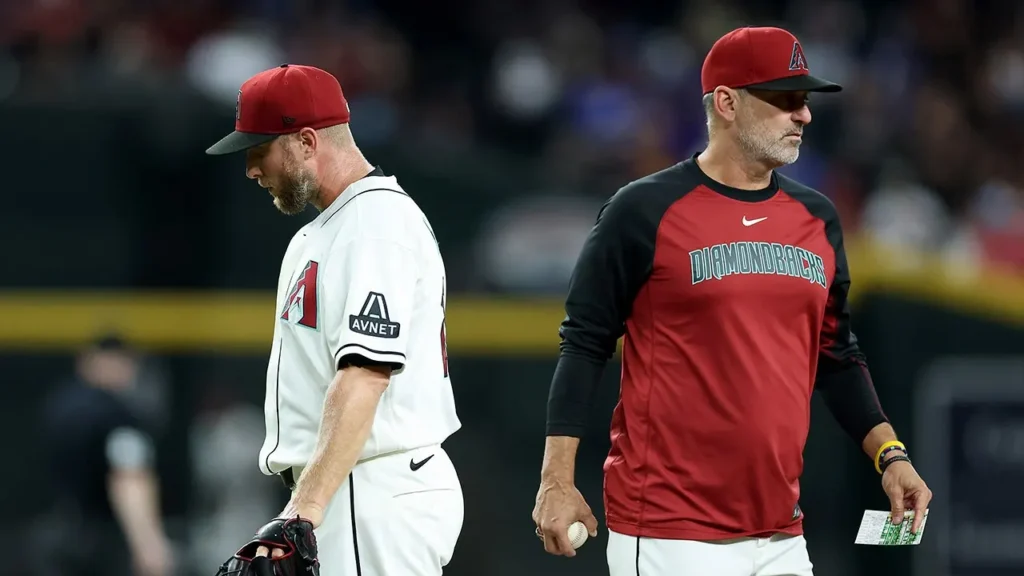
Arizona Diamondbacks manager Torey Lovullo reached out to Major League Baseball’s league office this week seeking clarification on whether the Chicago Cubs’ third base coach Quintin Berry was violating league rules by decoding signs during their series in Phoenix. The Diamondbacks’ dugout became convinced Berry was relaying information about pitcher Merrill Kelly’s signs to Cubs hitters, prompting a heated exchange between the two teams during Monday evening’s 7-0 Chicago victory.
Kelly spoke publicly about the dispute following the game, acknowledging that sign stealing has long been part of baseball tradition but drawing a distinction between legitimate tactics and those he considers improper. He stated that while runners at second base reading signs from the catcher constitutes fair play, he views sign stealing orchestrated by coaches as crossing an ethical line that warrants criticism.
After consulting with MLB officials on Tuesday, Lovullo discovered that Berry and the Cubs had committed no violation whatsoever. League rules permit third base coaches and first base coaches to relay information to batters as long as they remain within the confines of their designated coaching boxes on the field.
Recognizing his error, Lovullo contacted Cubs manager Craig Counsell to apologize for the team’s confrontational response. Lovullo acknowledged the misunderstanding and credited both Berry and the Cubs organization with following all established guidelines. Counsell responded graciously, noting his respect for Lovullo and appreciation for his willingness to address the matter directly.
The incident underscores how sign stealing remains embedded in baseball culture despite technological advancements. While MLB has implemented systems like pitchcom to reduce vulnerability to sign-stealing schemes, the fundamental practice of decoding opposition signals continues to exist within regulatory boundaries.

More Stories
Packers Running Back Josh Jacobs Placed on NFL Commissioner’s Exempt List Following Domestic Arrest
Chourio Reaches Historic Milestone With 20th Home Run as Brewers Dominate MLB
Jeff Kent Encourages Barry Bonds to Pursue Hall of Fame Induction During Giants Ceremony