

💛 A quick favor, if you've got a second.
We're really happy that you chose to read one of our stories and sincerely hope you'll stick around to read more. We took our paywall down — for now — but that won't last forever, and when the gate goes back up, we'd love for you to already be on the inside.
It's free. So please enter your email here and don't forget to like and follow us on all of your favorite Social Media platforms!
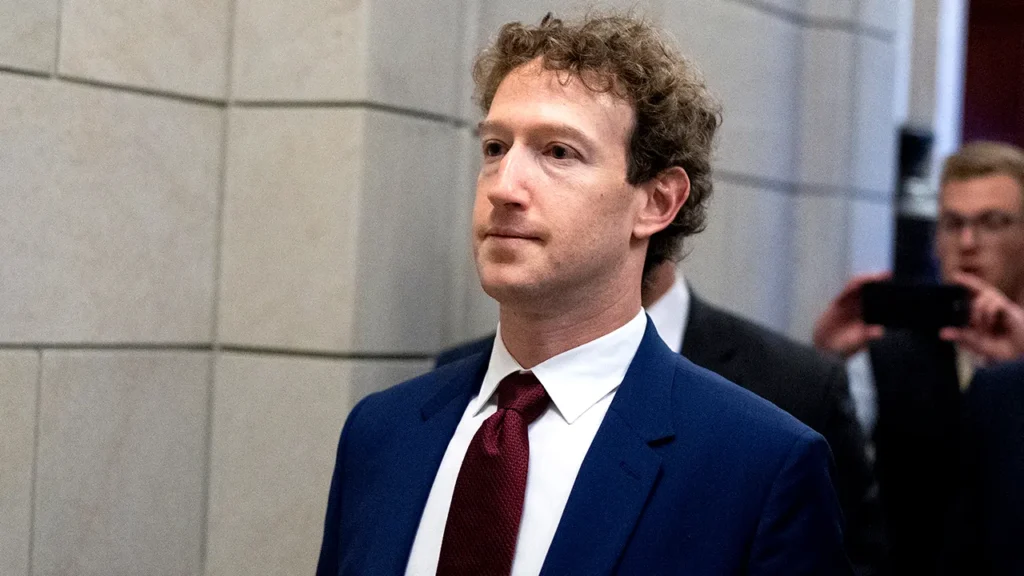
Meta secured a settlement exceeding $17 billion this week to resolve federal claims brought by a coalition of 29 states, marking what legal experts characterize as a favorable outcome for the social media giant. The company faced potential penalties it estimated could reach $1.4 trillion along with years of protracted litigation, making the proposed agreement substantially less damaging than worst-case scenarios.
The settlement requires Meta to implement platform changes including daily time restrictions for underage users, blocking access between midnight and 6 a.m., and notifications tied to school schedules. The maximum payment structure ties full compensation to whether competitors like TikTok and YouTube adopt similar youth protections; otherwise, Meta pays a minimum of $12.1 billion over a decade.
Legal observers question whether these modifications will meaningfully address social media addiction among children. The distinction between a popular product and an inherently addictive one remains subjectively defined, leaving unanswered questions about regulatory standards that could emerge through future litigation or legislative action.
The settlement’s financial impact may prove less significant for Meta than headline figures suggest. Philip Morris and similar companies recovered damages from the tobacco settlement through stock gains and market pricing adjustments, potentially absorbing losses through operational changes passed to consumers.
Experts contend that parental oversight will continue bearing primary responsibility for monitoring children’s social media use. The settlement addresses symptoms rather than fundamental challenges posed by technology adoption across society, with social media remaining deeply embedded in modern communication and civic discourse.

More Stories
University of Pennsylvania Climate Scientist Demands Supreme Court Packing Pledge From Democratic Candidates
Looney Tunes’ ‘Coyote vs. Acme’ Debuts With $15.5 Million as ‘Spider-Man’ Holds Box Office Crown
Trump Calls NASA to Congratulate Agency on Roman Space Telescope Launch