


💛 A quick favor, if you've got a second.
We're really happy that you chose to read one of our stories and sincerely hope you'll stick around to read more. We took our paywall down — for now — but that won't last forever, and when the gate goes back up, we'd love for you to already be on the inside.
It's free. So please enter your email here and don't forget to like and follow us on all of your favorite Social Media platforms!
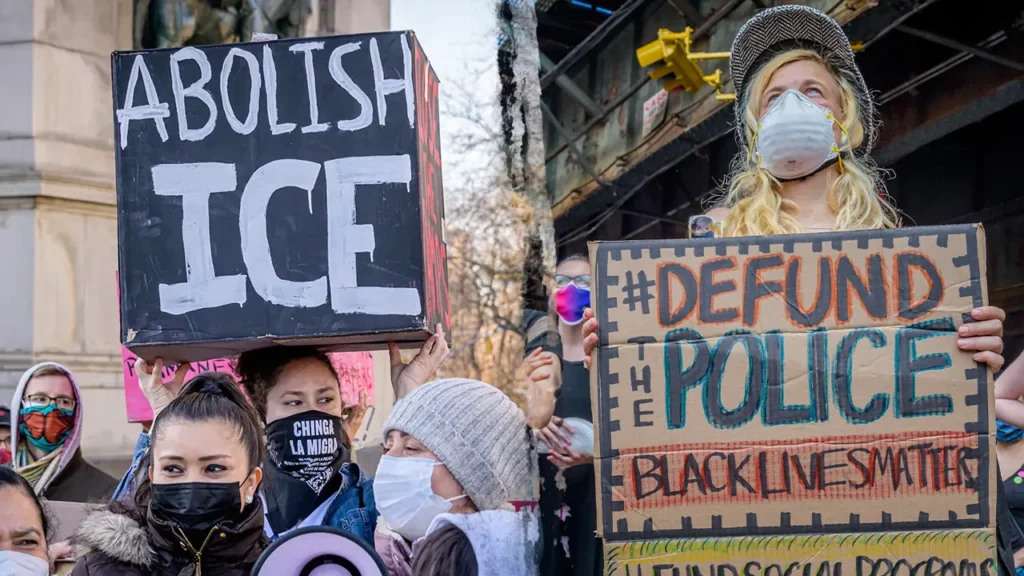
Rep. Alexandria Ocasio-Cortez of New York has adopted the term “Woke 1” to characterize the political movements of 2020, a phrase borrowed from New York City Councilman Chi Ossé. The label allows Democratic leaders to place controversial initiatives—including calls to defund police departments and abolish prisons—firmly in the past, creating psychological distance from those positions.
The Democratic Party appears to be employing compartmentalization to separate its 2020 iteration from its current incarnation in 2026. While the party once championed progressive policies that moved from the margins to mainstream influence, it now emphasizes affordability, economic populism, and reclaiming voters alienated by recent cultural and political debates. This division enables Democrats to avoid the discomfort of directly confronting their previous stances.
During 2020, many political positions transcended policy disagreements and became indicators of personal character and moral standing. Those who hold contrary views today must grapple not only with whether specific policies were sound, but also with what their earlier certainty and dismissal of critics reveal about their judgment. Simply rebranding the period as “Woke 1” sidesteps this deeper reckoning.
Democratic politicians, activists, and institutions actively shaped the discourse six years ago by promoting certain arguments while marginalizing others. Those who dissented sometimes faced professional or social consequences. Characterizing this as merely a peculiar moment the party has outgrown obscures the deliberate choices involved, analysts argue.
If Democrats now reject positions they championed or accommodated in 2020, voters deserve substantive explanations for the shift. The critical distinction lies in whether party leaders reconsidered their views or simply recognized that voters had rejected them. Genuine intellectual change requires acknowledging past errors, not merely relocating them to history.
Candidates cannot assume that positions from six years ago will remain buried. Political opponents routinely resurrect past interviews, questionnaires, and social media posts to challenge current messaging. The claim that “that was then” invites inevitable rebuttal: “Yes, but that was you.”
The 2020 landscape created particular complications because moral identity became inseparable from political belief. Abandoning a position feels like confessing character flaws rather than admitting policy mistakes. Democrats could resolve this tension by acknowledging that 2020 illuminated genuine problems while also generating flawed ideas and excessive rhetoric.
A credible Democratic response would concede that some people faced unfair treatment for questioning prevailing consensus, while maintaining concern about systemic racism, police violence, and inequality. This approach requires admitting that moral conviction and factual error can coexist. Until Democrats provide such accounting, voters will reasonably question whether positions shifted due to reflection or calculation.

More Stories
Federal voting arrest in New Jersey adds new pressure point in Sherrill-Trump standoff
Colombia backs Trump security push while limiting U.S. role in anti-gang operations
Former NFL cheerleader and ex-aide face off in close Rhode Island GOP primary