


💛 A quick favor, if you've got a second.
We're really happy that you chose to read one of our stories and sincerely hope you'll stick around to read more. We took our paywall down — for now — but that won't last forever, and when the gate goes back up, we'd love for you to already be on the inside.
It's free. So please enter your email here and don't forget to like and follow us on all of your favorite Social Media platforms!
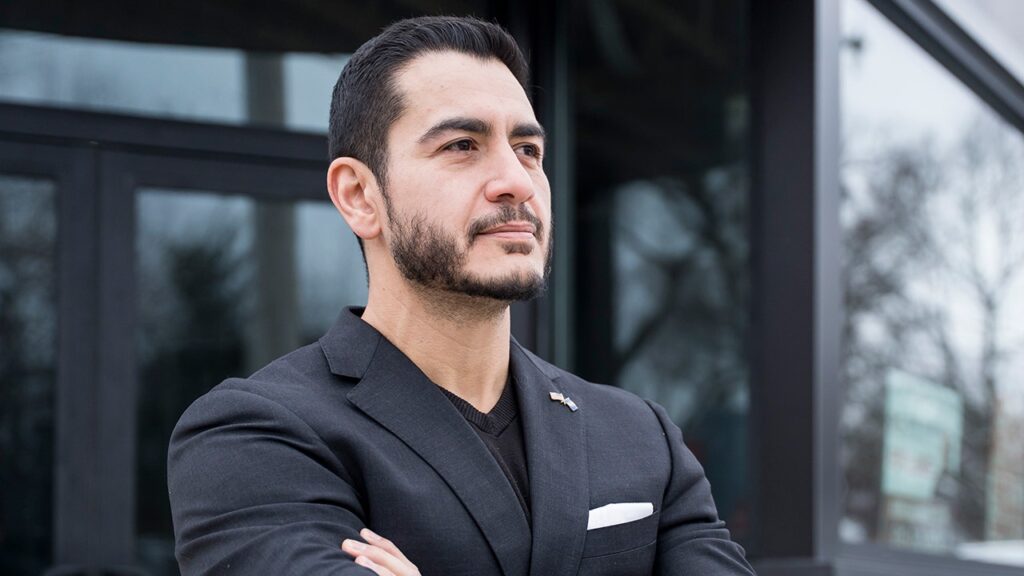
Michigan Democratic Senate candidate Abdul El-Sayed renewed calls for a wealth tax during a recent Fox News appearance, proposing taxation on individuals with net assets exceeding $100 million. The policy proposal, which El-Sayed has promoted across multiple media platforms, would subject the wealthy to annual levies beyond existing income tax obligations. Constitutional legal experts have questioned the viability of such taxation frameworks at both federal and state levels.
El-Sayed’s wealth tax would impose levies on accumulated assets rather than earned income, creating a distinct tax category from traditional income taxation. At a hypothetical 7% rate on $100 million in net wealth, annual liability would reach $7 million per affected individual. The candidate has not released detailed specifications regarding the precise tax rate or wealth threshold that would trigger assessment.
The distinction between wealth and income taxation carries significant legal and practical implications. Individuals have already paid income taxes on earnings used to accumulate assets and typically face capital gains taxation on investment returns. A wealth tax would represent an additional annual obligation applied to homes, vehicles, art, stock portfolios and other property holdings, regardless of whether the asset holder generated income that year.
Similar proposals advanced by other Democratic figures would broaden the tax base beyond billionaires to millionaires, according to tax policy observers. California’s experience demonstrates how even threatened wealth tax implementation has prompted business relocation and substantial revenue losses. French socialist governments attempted comparable taxation strategies in prior decades, ultimately abandoning the policies after experiencing severe economic contraction.
El-Sayed and his spouse reported $686,069 in combined income during 2025, placing them well below the proposed $100 million wealth tax threshold. The candidate has positioned the tax as funding mechanism for expanded healthcare programs, infrastructure improvements and reparations initiatives promised to Michigan voters. Federal income tax statistics indicate the top 1% currently pays approximately 38.4% of all individual federal income taxes, with the highest earners contributing substantially more than lower-income brackets.

More Stories
Federal voting arrest in New Jersey adds new pressure point in Sherrill-Trump standoff
Colombia backs Trump security push while limiting U.S. role in anti-gang operations
Former NFL cheerleader and ex-aide face off in close Rhode Island GOP primary