


💛 A quick favor, if you've got a second.
We're really happy that you chose to read one of our stories and sincerely hope you'll stick around to read more. We took our paywall down — for now — but that won't last forever, and when the gate goes back up, we'd love for you to already be on the inside.
It's free. So please enter your email here and don't forget to like and follow us on all of your favorite Social Media platforms!
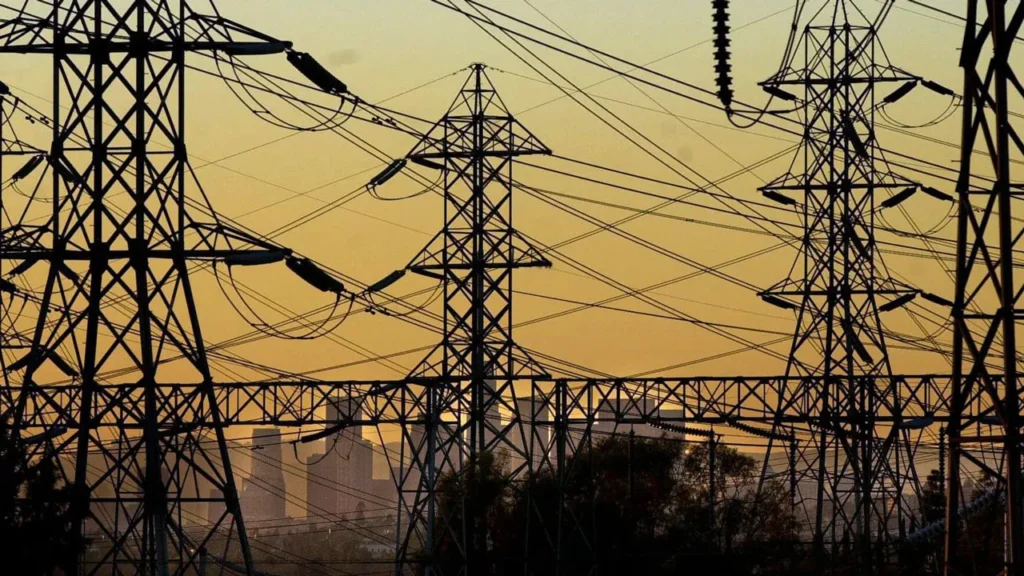
British security officials have attributed a four-day power generator shutdown last month to Iran-linked hackers, signaling a troubling shift toward operational disruptions on critical infrastructure rather than reconnaissance-only cyber probing. The incident represents one of several recent intrusions targeting vulnerable systems across both the Atlantic, according to U.S. security analysts tracking Tehran-sponsored activity.
UK Energy Minister Michael Shanks downplayed the severity of the outage, emphasizing that the generator represented a minor portion of Britain’s electrical grid and that no widespread power loss occurred. Nevertheless, his department briefed energy executives on defensive measures following the breach, underscoring government concern about similar future incidents.
The British shutdown occurred weeks after hackers compromised more than 30 community water systems across Minnesota, gaining access to remote monitoring and control technology for pumps and related equipment. While Minnesota authorities have withheld public attribution, multiple news outlets reported that U.S. officials and industry documents implicated Iran as the likely perpetrator—an assessment President Donald Trump has publicly disputed.
The paired incidents have thrust civilian infrastructure into a new dimension of U.S.-Iran tensions, which have persisted for six months. Water and energy facilities, often lightly secured compared to major grid operators, present attractive targets for causing physical disruption without triggering large-scale blackouts or military escalation.
Many vulnerable installations rely on internet-connected industrial control systems that enable remote equipment management. Once compromised, attackers can halt operations, deny operator access or reconfigure machinery controls, according to cybersecurity assessments.
An FBI and Environmental Protection Agency alert issued in July documented malicious actors targeting water utilities across seven states through exposed programmable logic controllers, altering network addresses and credentials. Several compromises interrupted water service, producing pressure fluctuations and property damage.
Federal officials have separately warned that Iranian-affiliated groups have systematically targeted industrial control devices in water, energy and government infrastructure. These campaigns have already caused operational disruptions and measurable financial losses, authorities stated.
The Justice Department charged 17 members of an Iran-based company on August 18 with executing a sweeping cyber theft campaign against hundreds of universities, corporations and government agencies. Prosecutors alleged many intrusions benefited the IRGC and related Iranian entities, resulting in the theft of more than 31 terabytes of academic material and proprietary information.
Historical precedent illustrates the scope of Iranian cyber ambitions against U.S. infrastructure. In 2016, federal prosecutors charged an Iranian hacker with breaching the control system of a dam in Rye, New York, though a maintenance disconnection of the sluice gate prevented manipulation of water levels.
U.S. agencies have also linked an IRGC-affiliated group called CyberAv3ngers to compromises of Israeli-manufactured industrial controllers at dozens of American facilities between late 2023 and early 2024, spanning water utilities, energy producers, food manufacturers and healthcare organizations. The attackers exploited devices exposed online that retained default access credentials.
Whether Tehran is orchestrating a coordinated campaign against Western infrastructure infrastructure remains uncertain. The British shutdown demonstrates the potential impact of minimal network access: disrupting physical systems without infiltrating major grid operators or creating blackouts severe enough to provoke immediate military response.

More Stories
Colombia backs Trump security push while limiting U.S. role in anti-gang operations
Chicago Mayor Issues Executive Order Requiring Contractor Diversity Disclosures and ICE Ties Reporting
University of Pennsylvania Climate Scientist Demands Supreme Court Packing Pledge From Democratic Candidates