


💛 A quick favor, if you've got a second.
We're really happy that you chose to read one of our stories and sincerely hope you'll stick around to read more. We took our paywall down — for now — but that won't last forever, and when the gate goes back up, we'd love for you to already be on the inside.
It's free. So please enter your email here and don't forget to like and follow us on all of your favorite Social Media platforms!
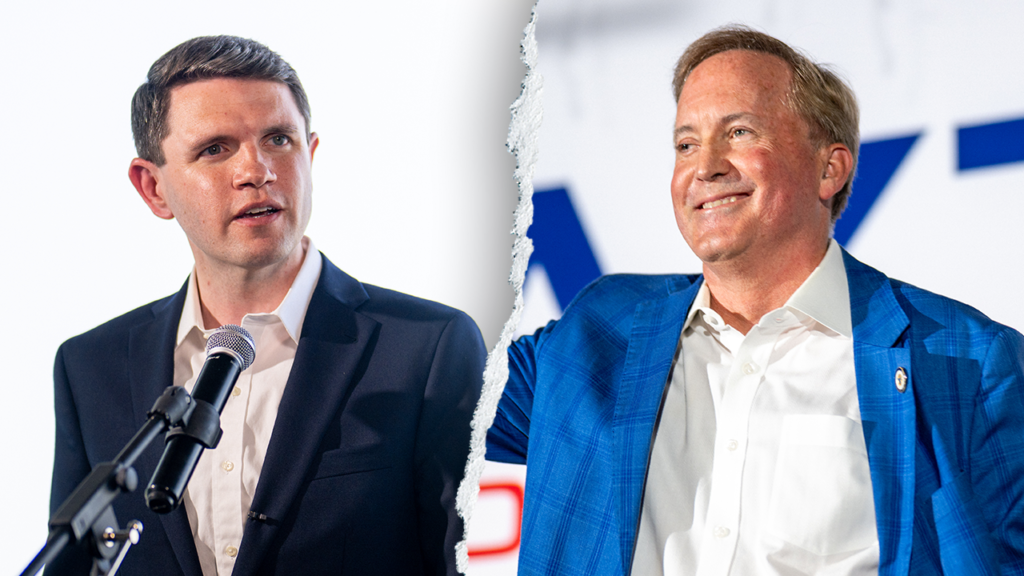
A contentious political battle is unfolding in Texas over the rapid expansion of data centers, with both major candidates for the state’s U.S. Senate seat competing to demonstrate stronger opposition to the industry’s growth. The clash centers on escalating concerns among voters about rising electricity and water costs linked to the AI sector’s infrastructure demands.
Texas Attorney General Ken Paxton unveiled a four-point regulatory framework designed to establish oversight mechanisms for data center proliferation across the state. The proposal, which targets both federal and state intervention, emerges during the final weeks of a closely competitive Senate contest between Paxton and Democratic nominee state Senator James Talarico.
Paxton framed his initiative as essential to maintaining American technological dominance while protecting Texas communities. “There’s no doubt in my mind that the United States will beat the Chinese Communist Party in the AI race,” Paxton stated, adding that his plan would prevent data centers from supporting AI platforms that pose risks to children.
Talarico’s campaign has aggressively criticized Paxton for accepting approximately $500,000 in campaign contributions from data center-linked political action committees. Campaign spokesperson JT Ennis contended that Paxton has neglected constituents in Hood County who opposed a proposed data center project in their area.
However, Talarico’s own political apparatus, the Lone Star Rising PAC, has received roughly $10 million from LinkedIn co-founder Reid Hoffman, a data center advocate who supports the industry’s role in competing with China on artificial intelligence development.
Paxton’s plan includes authoring two Senate bills to restrict Chinese technology in American data centers and impose criminal penalties on companies whose facilities power AI chatbots threatening child safety. He also pledges to co-sponsor the DATA Act, legislation from Senator Tom Cotton that would enable data centers to generate independent power outside existing electrical grids.
Talarico’s alternative proposal would eliminate state tax exemptions for data centers, require facilities to absorb 100 percent of grid connection expenses, and mandate closed-loop water recycling systems. His plan additionally grants local governments authority to block project approvals.
Paxton similarly advocates repealing sales tax exemptions for data centers, despite voting to support such exemptions as a freshman state senator in 2013. That earlier vote, passed nearly unanimously, required companies to invest at least $200 million and meet employment targets but contributed to the current data center boom.
Governor Greg Abbott’s executive directive, announced earlier this month, complements these legislative efforts by effectively pausing new data center development. Abbott reported that his directive has halted approximately 1,800 data center projects statewide and mandates disclosure of power consumption, water usage, financial incentives received, and community impact mitigation plans.

More Stories
Colombia backs Trump security push while limiting U.S. role in anti-gang operations
Former NFL cheerleader and ex-aide face off in close Rhode Island GOP primary
Chicago Mayor Issues Executive Order Requiring Contractor Diversity Disclosures and ICE Ties Reporting