

💛 A quick favor, if you've got a second.
We're really happy that you chose to read one of our stories and sincerely hope you'll stick around to read more. We took our paywall down — for now — but that won't last forever, and when the gate goes back up, we'd love for you to already be on the inside.
It's free. So please enter your email here and don't forget to like and follow us on all of your favorite Social Media platforms!
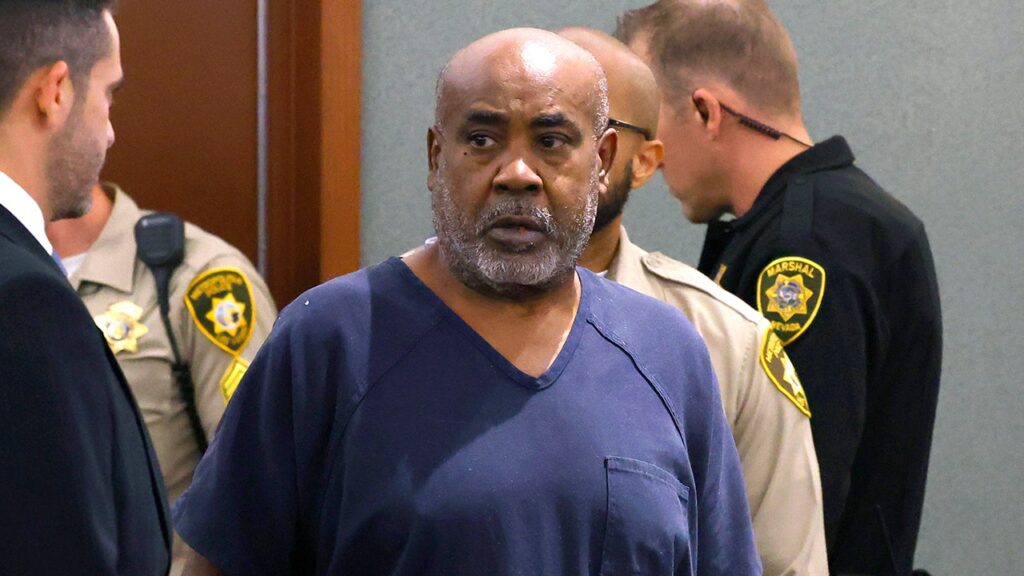
The opening week of Tupac Shakur’s murder trial revealed the substantial obstacles facing prosecutors nearly three decades after the iconic rapper’s death in a Las Vegas drive-by shooting. Duane “Keffe D” Davis, 63, stands accused of supplying the weapon used in the September 1996 attack that killed Shakur and wounded Death Row Records founder Marion “Suge” Knight, though prosecutors say he did not fire the fatal shots. The trial, which commenced Monday, is projected to last four to five weeks.
The case hinges significantly on Davis’ own admissions to law enforcement and public statements, as three other men allegedly present in the suspect vehicle are now deceased, including Davis’ nephew Orlando “Baby Lane” Anderson. Prosecutors contend that Anderson, who had been beaten by Knight’s associates earlier that evening at the MGM Grand casino during a Mike Tyson event, became the target of retaliation that night. The defense argues Davis fabricated or exaggerated his account for attention and financial gain through book sales.
Witnesses have proven reluctant to cooperate, citing the street code against informing authorities. James “Mob James” McDonald, a former associate, explicitly told the court to treat him as hostile and personally told Davis he did not want to see him imprisoned. Former FBI Assistant Director Chris Swecker testified about the gang culture’s prohibition against cooperating with law enforcement, similar to organized crime traditions.
Former LAPD Detective Daryn Dupree testified Wednesday that Davis once made a cryptic statement regarding the unsolved murder of rapper Notorious B.I.G., saying “we did the other one,” which Dupree interpreted as an admission to Shakur’s killing. Prosecutors also presented hours of Davis’ 2008 police interview in which he claimed he initially held the gun before passing it to the back seat where Anderson allegedly fired at Shakur and Knight. A forensic pathologist confirmed Shakur died from multiple gunshot wounds to his chest and abdomen.
Surveillance footage from MGM showed the earlier altercation involving Knight’s entourage and Anderson. By week’s end, more than a dozen witnesses had testified, including photographer Leonard Jefferson, who captured some of the last known images of Shakur alive. Yusef Jah, a ghostwriter who collaborated with Davis on his memoir detailing the murders, remains on the witness list.

More Stories
Federal voting arrest in New Jersey adds new pressure point in Sherrill-Trump standoff
Colombia backs Trump security push while limiting U.S. role in anti-gang operations
Packers Running Back Josh Jacobs Placed on NFL Commissioner’s Exempt List Following Domestic Arrest