


💛 A quick favor, if you've got a second.
We're really happy that you chose to read one of our stories and sincerely hope you'll stick around to read more. We took our paywall down — for now — but that won't last forever, and when the gate goes back up, we'd love for you to already be on the inside.
It's free. So please enter your email here and don't forget to like and follow us on all of your favorite Social Media platforms!
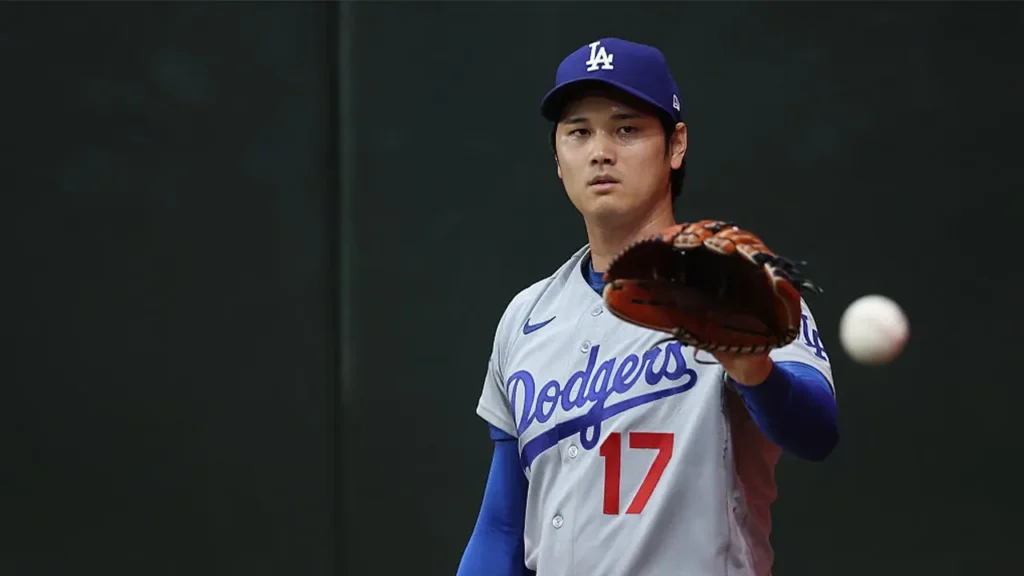
The Los Angeles Dodgers have constructed consecutive World Series championship rosters through strategic acquisitions in recent years, beginning with Shohei Ohtani’s arrival in late 2023 and continuing through the signings of Yoshinobu Yamamoto, Teoscar Hernandez, Tyler Glasnow, and subsequent additions. After winning the 2024 World Series, the organization reinforced its roster heading into 2025-2026 by adding Kyle Tucker and Edwin Díaz, drawing intense criticism from segments of the baseball fan community who view the team’s spending power as unfair competitive advantage.
A federal investigation into part-owner Mark Walter’s control of insurance companies and their involvement in private-credit transactions worth an estimated $16 billion to $20 billion has triggered widespread online speculation that the Dodgers’ payroll and signings are connected to potentially improper financial dealings. This narrative has led fans to claim the team’s deferred contracts, particularly Ohtani’s arrangement deferring $68 million annually, represent fraudulent financial schemes rather than legitimate contractual structures.
Deferred compensation arrangements have existed throughout Major League Baseball for decades and are used by nearly all 30 teams in various capacities. Players including Rafael Devers, Jose Ramirez, Alex Bregman, Corbin Burnes, and Dylan Cease carry significant deferred money totaling between $64 million and $75 million each, with the strategy offering tax advantages to players in high-income-tax states like California.
Ohtani specifically proposed his deferred arrangement to all four teams competing for his services—the Dodgers, San Francisco Giants, Toronto Blue Jays, and Los Angeles Angels—with the Giants and Blue Jays also accepting identical terms. MLB regulations require teams to deposit the present value of deferred amounts into specific accounts within approximately two years, preventing owners from indefinitely postponing financial obligations.
The Dodgers generated over $1 billion in annual revenue, with television rights accounting for approximately $325 million yearly, leaving roughly $675 million from other income sources. An MLB revenue-sharing exemption dating to former owner Frank McCourt’s bankruptcy shields an estimated $55 million to $60 million annually from distribution to smaller-market franchises, a minimal impact on league-wide competitive balance.
Walter maintains a 27 percent ownership stake in the Dodgers, with Guggenheim Partners and other investors controlling the remaining 73 percent. His potential sale of his minority position would not materially affect the organization’s financial structure or operational capacity, according to financial analysts reviewing the ownership structure.

More Stories
Indiana coach Curt Cignetti tells restless Hoosiers fans not to gripe over 38-0 win
Packers Running Back Josh Jacobs Placed on NFL Commissioner’s Exempt List Following Domestic Arrest
Packers Running Back Josh Jacobs Placed on Commissioner Exempt List Pending Misdemeanor Charges