


💛 A quick favor, if you've got a second.
We're really happy that you chose to read one of our stories and sincerely hope you'll stick around to read more. We took our paywall down — for now — but that won't last forever, and when the gate goes back up, we'd love for you to already be on the inside.
It's free. So please enter your email here and don't forget to like and follow us on all of your favorite Social Media platforms!
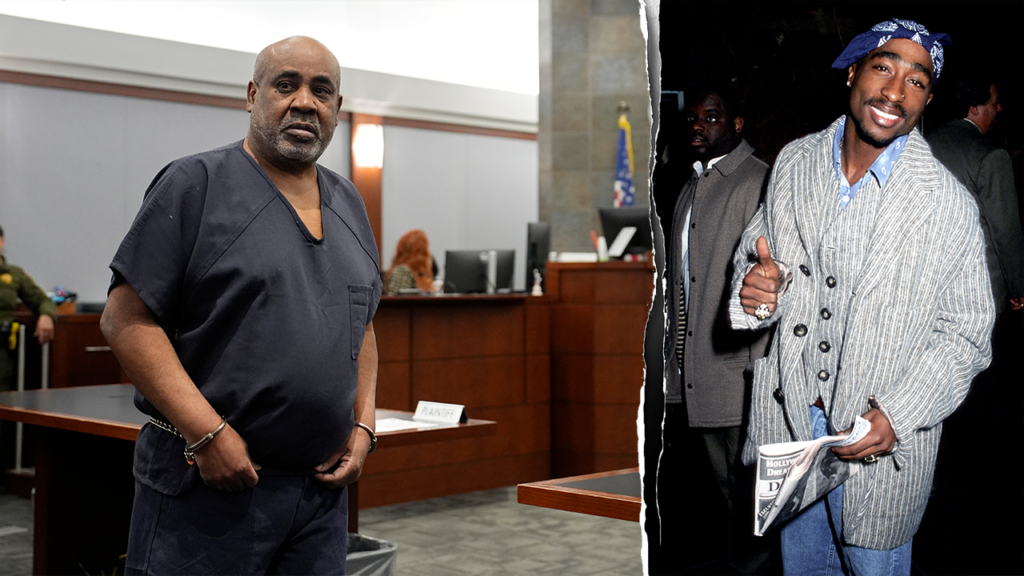
Nearly three decades after rapper Tupac Shakur’s fatal shooting in Las Vegas, prosecutors are building their case against Duane “Keffe D” Davis largely on statements the defendant made across multiple interviews, a television documentary appearance, and his published memoir. According to retired Los Angeles Police Department detective Moses Castillo, the trial may ultimately turn on whether the book’s ghostwriter can verify that Davis himself provided the account contained in those pages.
Davis has given law enforcement multiple accounts of his alleged involvement in the 1996 crime, speaking with investigators in 1998, 1999, 2008, and 2009. Prosecutors played portions of his 2008 statement in court Monday, which included his description of obtaining the weapon and his assertion that his now-deceased nephew fired the fatal shots. Clark County Chief Deputy District Attorney Binu Palal highlighted Davis’s cooperation during opening statements, contrasting it with the street code of silence that typically prevails in gang-involved circles.
The prosecution’s witness list includes Yusef Jah, the ghostwriter behind Davis’s memoir, a crucial detail given the defense strategy. Defense attorney Michael Sanft argued that investigators never independently verified claims in the book and suggested Jah may have fictionalized portions of Davis’s account. Castillo noted that prosecutors will likely need to establish directly that Davis communicated the book’s contents to Jah during their collaboration.
A separate challenge for prosecutors involves witness reluctance rooted in street culture. Marion “Suge” Knight, co-founder of Death Row Records who sat in the BMW with Shakur during the shooting and was wounded in the attack, has stated he will not testify voluntarily. Knight, like Jah, appears on the prosecution’s witness list. The gunman fired from a white Cadillac on Las Vegas Boulevard on September 7, 1996, killing Shakur six days later at age 25.

More Stories
Federal voting arrest in New Jersey adds new pressure point in Sherrill-Trump standoff
Colombia backs Trump security push while limiting U.S. role in anti-gang operations
Packers Running Back Josh Jacobs Placed on NFL Commissioner’s Exempt List Following Domestic Arrest