


💛 A quick favor, if you've got a second.
We're really happy that you chose to read one of our stories and sincerely hope you'll stick around to read more. We took our paywall down — for now — but that won't last forever, and when the gate goes back up, we'd love for you to already be on the inside.
It's free. So please enter your email here and don't forget to like and follow us on all of your favorite Social Media platforms!
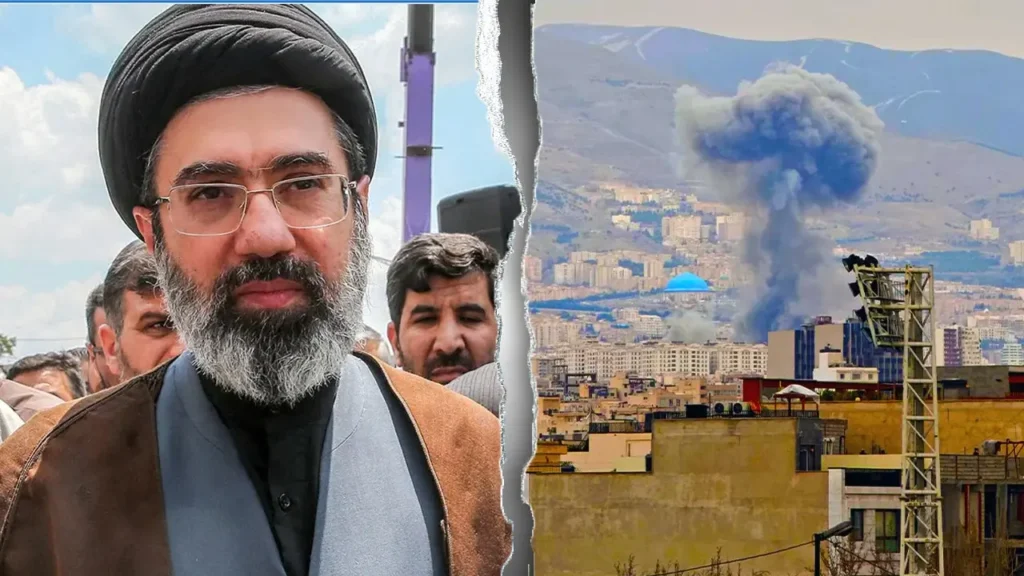
Negotiations between Iran and the United States concluded without a final agreement Monday, leaving critical issues unresolved nearly six months into ongoing hostilities. The 60-day window established under a June memorandum of understanding expired with both nations failing to bridge fundamental differences over Iran’s nuclear program, sanctions relief and maritime control of the Strait of Hormuz.
Iran announced a separate understanding with Oman regarding a new commercial transit route through the strait, though the arrangement cannot proceed without U.S. approval. The announcement did not resolve the core dispute: Iran insists it must retain authority over passage through the waterway, while the United States demands unrestricted commercial navigation. An estimated one-fifth of global oil and liquefied natural gas flows through the strait.
President Donald Trump responded to the failed negotiations in a Fox News interview, calling on Iran to surrender to end the conflict. Trump also warned that any interference by Oman in U.S. interests would prompt military action, while reiterating that preventing Iran from obtaining nuclear weapons remains the administration’s primary objective.
The negotiating framework deteriorated as both sides accused each other of violating the June agreement’s terms and resumed military operations. Iran has demanded sanctions relief, release of frozen assets and an end to the U.S. naval blockade, while the Trump administration has maintained its insistence on unrestricted shipping access through Hormuz.
Military escalation undermined the ceasefire throughout the negotiating period. Iran struck a commercial vessel June 25, prompting U.S. strikes on Iranian missile and drone storage facilities. Fighting intensified in July after Iranian attacks on three additional vessels, triggering U.S. strikes on more than 300 Iranian military targets over three consecutive nights, including naval capabilities and air defense systems.
The conflict has dramatically reduced traffic through the strait and strained U.S. weapons inventories. Reuters reported the Army depleted virtually all ATACMS and Precision Strike Missile stocks during hostilities and expended nearly half its global Tomahawk supply. The Center for Strategic and International Studies estimated Patriot interceptor inventories fell at least 65 percent from prewar levels.
With no agreement reached and the deadline expired, the Trump administration must now choose between extending negotiations, escalating pressure on Tehran or continuing the war that has disrupted global energy markets and depleted American munitions supplies. War Secretary Pete Hegseth said last week the U.S. Navy can maintain its blockade indefinitely through ship rotations.

More Stories
Federal voting arrest in New Jersey adds new pressure point in Sherrill-Trump standoff
Colombia backs Trump security push while limiting U.S. role in anti-gang operations
Former NFL cheerleader and ex-aide face off in close Rhode Island GOP primary