


💛 A quick favor, if you've got a second.
We're really happy that you chose to read one of our stories and sincerely hope you'll stick around to read more. We took our paywall down — for now — but that won't last forever, and when the gate goes back up, we'd love for you to already be on the inside.
It's free. So please enter your email here and don't forget to like and follow us on all of your favorite Social Media platforms!
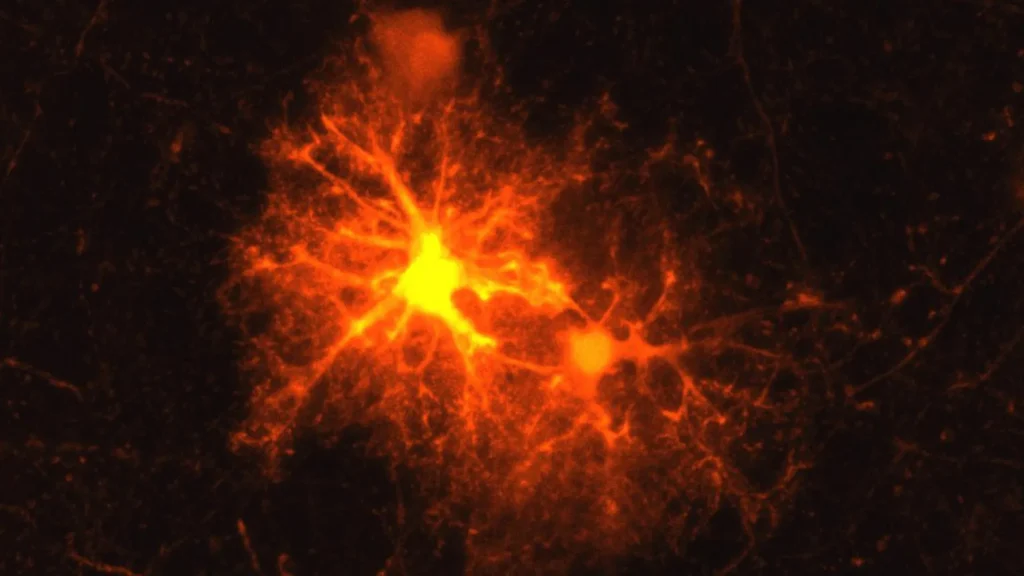
A newly identified neurological pathway suggests that the brain’s stress response system may facilitate healing following traumatic injury, according to recent scientific findings. Researchers observed that myelin-producing cells rapidly release the stress hormone CRH when brain tissue sustains damage, triggering a process that governs cellular development and reconstruction of nerve insulation.
The biological pathway discovered in the investigation functions during both injury recovery and routine brain development, shaping myelin formation and thickness across the human lifespan. The mechanism engages automatically when cells experience damage, mobilizing precursor cells essential for restoring the protective myelin sheath around neural tissue.
The findings may illuminate how developmental stress influences the later emergence of psychiatric illnesses, offering potential pathways for future treatment strategies. By understanding this stress-repair connection, researchers envision therapeutic interventions that harness the brain’s natural regenerative processes to address both neurological injuries and stress-induced mental health conditions.


More Stories
New York Health Officials Sound Alarm Over Rising Measles Cases as School Year Approaches
CareCloud Breach Compromises 3.75 Million Patient Records, Among Largest Healthcare Data Thefts of 2026
Month-Long HEPA Use Linked to Faster Cognitive Processing in Middle-Aged Adults