


💛 A quick favor, if you've got a second.
We're really happy that you chose to read one of our stories and sincerely hope you'll stick around to read more. We took our paywall down — for now — but that won't last forever, and when the gate goes back up, we'd love for you to already be on the inside.
It's free. So please enter your email here and don't forget to like and follow us on all of your favorite Social Media platforms!
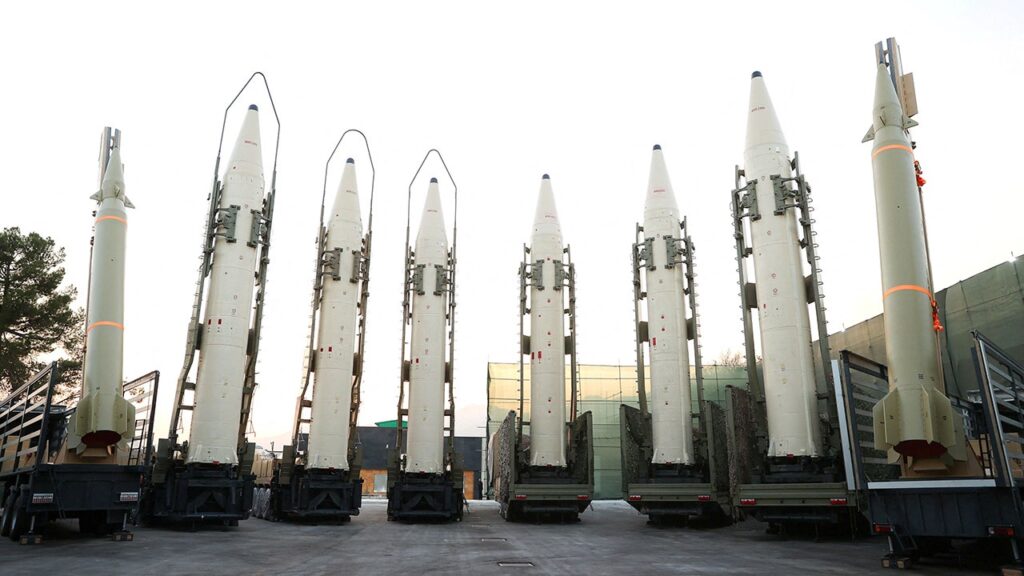
Military action by Iran could materialize as early as autumn, targeting strategically important American assets to counteract mounting U.S. economic pressure, according to warnings issued Thursday by national security experts. The cautionary statements emerged following reports that two commercial vessels operating in the Strait of Hormuz sustained damage, according to statements from the Abu Dhabi National Oil Company and the United Arab Emirates’ official news agency WAM.
Treasury Secretary Scott Bessent signaled Thursday that the administration intends to impose sweeping financial measures against Tehran unlike any previously implemented. Speaking on Newsmax, Bessent indicated major policy announcements would follow within days, pledging economic isolation tactics with no historical precedent targeting any nation.
Behnam Ben Taleblu, a senior fellow at the Foundation for Defense of Democracies, predicted Tehran would respond militarily to Washington’s intensifying sanctions regime. Appearing on Fox News Digital, Taleblu characterized the anticipated Iranian response as a “kinetic” counteroffensive designed to disrupt the economic containment strategy, mirroring tactics employed during the 2019 sanctions period.
Declining oil revenues and a U.S. naval presence in the Persian Gulf could compel Iran to expand potential targets throughout the region, Taleblu noted. Such escalation could encompass additional maritime attacks, strikes against American military installations, and infrastructure assaults on Gulf Arab allies, he cautioned.
Negotiations between Washington and Tehran remain stalled with no current discussions underway regarding an extension of their June ceasefire agreement, according to an Iranian source who spoke to Reuters on August 12. The interim accord, which established a 60-day negotiating window expiring August 17, mandated the cessation of military operations across all theaters.
The agreement deteriorated after President Trump declared the pact terminated on July 7, citing unmet obligations. The Strait of Hormuz control remains a principal obstacle, with Iran’s newly appointed Basij commander Hossein Taeb asserting Thursday that the waterway remains “under Iran’s control and management,” contradicting Trump’s claim of American dominance.
Taleblu characterized Iranian strategy as attempting to pressure the Trump administration back toward the memorandum while preventing any appearance of American diplomatic victory. He framed the current sanctions approach as a “low-key” initiative but cautioned that the escalatory pattern witnessed in 2019 could resurface.

More Stories
Colombia backs Trump security push while limiting U.S. role in anti-gang operations
Chicago Mayor Issues Executive Order Requiring Contractor Diversity Disclosures and ICE Ties Reporting
Federal Prosecutors Convene Special Grand Jury to Investigate D.C. Schools’ Attendance and Graduation Practices