



💛 A quick favor, if you've got a second.
We're really happy that you chose to read one of our stories and sincerely hope you'll stick around to read more. We took our paywall down — for now — but that won't last forever, and when the gate goes back up, we'd love for you to already be on the inside.
It's free. So please enter your email here and don't forget to like and follow us on all of your favorite Social Media platforms!
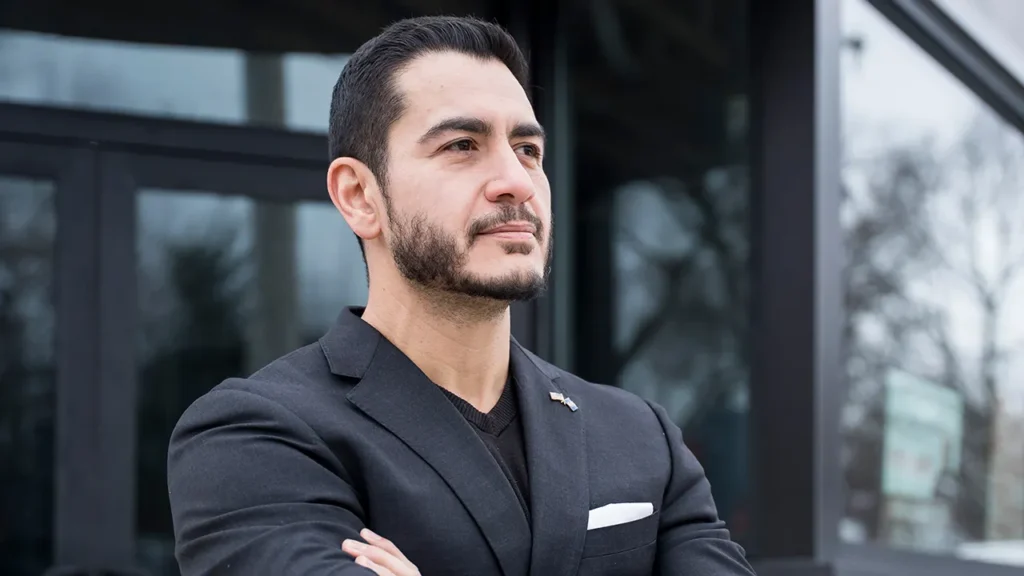
Michigan Democratic Senate nominee Abdul El-Sayed acknowledged on NBC’s “Meet the Press” that a universal healthcare system would necessitate tax increases for Americans at all income levels, not just the wealthy. Host Kristen Welker pressed El-Sayed on whether his Medicare for All proposal would require middle-income Americans to pay higher taxes, and he appeared to concede the point while defending the trade-off as economically beneficial.
El-Sayed framed the proposal as replacing private health insurance premiums with increased payroll taxes. He argued that workers would benefit by eliminating payments to insurance companies whose executives earn substantial salaries, instead funding a government system that guarantees coverage regardless of employment status or life changes. The nominee contended that securing guaranteed healthcare outweighed the cost of additional FICA contributions.
When Welker directly asked whether people earning less than $1 million would see their taxes rise, El-Sayed declined to provide a straightforward answer, instead reiterating his preference for government-provided healthcare over private insurance industry profits. His response suggested acknowledgment of broader tax increases while emphasizing the shift from private to public payment structures.
Republican opponent Mike Rogers seized on the comments, posting on social media that El-Sayed’s position contradicted campaign promises of putting money in voters’ pockets. El-Sayed responded by challenging Rogers to debate, dismissing the critique as a misunderstanding of policy mechanics.
El-Sayed’s primary victory last week over establishment-backed candidate Haley Stevens came after controversy surrounding his campaign appearances with far-left Twitch streamer Hasan Piker. The victory has prompted Democratic strategists and analysts to debate whether the party is shifting toward more progressive candidates and away from establishment preferences.


More Stories
Federal voting arrest in New Jersey adds new pressure point in Sherrill-Trump standoff
Colombia backs Trump security push while limiting U.S. role in anti-gang operations
Former NFL cheerleader and ex-aide face off in close Rhode Island GOP primary