




💛 A quick favor, if you've got a second.
We're really happy that you chose to read one of our stories and sincerely hope you'll stick around to read more. We took our paywall down — for now — but that won't last forever, and when the gate goes back up, we'd love for you to already be on the inside.
It's free. So please enter your email here and don't forget to like and follow us on all of your favorite Social Media platforms!
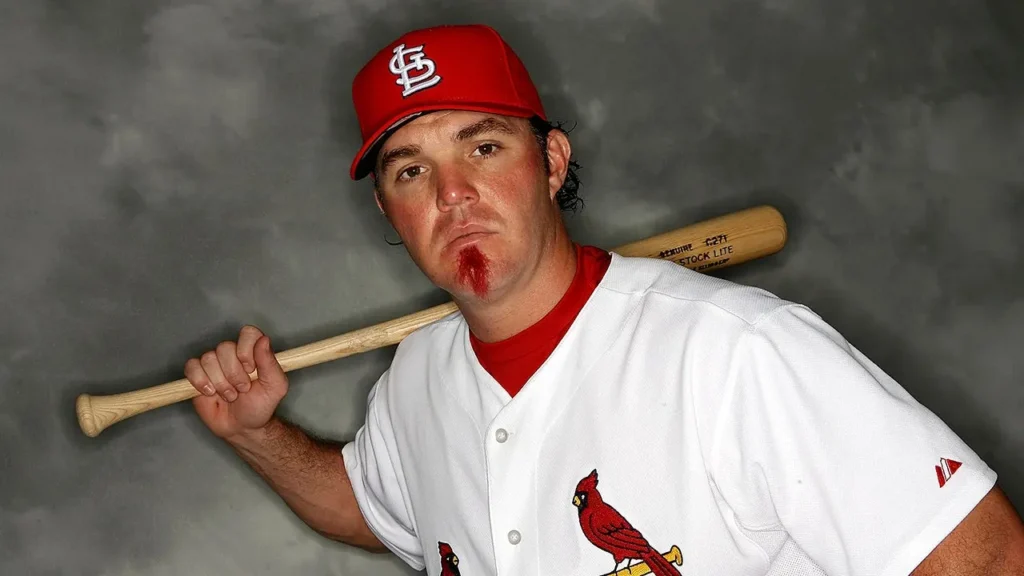
Scott Spiezio’s 2018 medical imaging revealed a startling reality: his liver was shutting down after years of heavy drinking. The former World Series champion, then 47, faced a devastating 20 percent survival rate and required six months of sobriety before doctors would consider a transplant. Spiezio doubted he could achieve the abstinence necessary to save his own life.
Spiezio’s father, Ed, was a two-time World Series winner who played nine seasons in Major League Baseball and spent his son’s childhood preparing him for professional play. Beginning at age three, Scott practiced switch-hitting in their basement, with training sessions always concluding in a simulated Game 7 scenario—a 3-2 count with bases loaded and one run down. The regimen, executed in high school at 6 a.m. workouts before classes, instilled in the younger Spiezio that baseball was his life’s singular purpose.
During Game 6 of the 2002 World Series, Spiezio delivered one of the Los Angeles Angels’ most iconic moments. With his team trailing the San Francisco Giants 5-0 in the seventh inning and two runners on base, Spiezio worked a full count against reliever Felix Rodriguez before launching a three-run homer into right field. The blast sparked an Angels comeback, culminating in a 6-5 victory and eventually the franchise’s first World Series championship.
The achievement brought widespread celebrity attention and transformed Spiezio into a hometown hero in Morris, Illinois, where the city named a street after him and erected billboards celebrating his accomplishment. Television hosts David Letterman, Jay Leno, and Carson Daly sought him for appearances. However, Spiezio would later acknowledge that this period marked when he began “edging God out”—an acronym he created for ego—gradually abandoning his faith and embracing the accolades.
After the 2003 season, Spiezio signed a three-year, $9 million contract with the Seattle Mariners. During spring training, he suffered a career-altering back injury when he tripped on the pitcher’s mound, blowing out his thoracic T6 and T7 discs. The prognosis—potential paralysis and the end of his playing career—sent him into depression and toward alcohol as a coping mechanism.
Isolated in an unfamiliar city without established friendships, Spiezio’s recreational drinking escalated to daily consumption. A man who previously hesitated to take over-the-counter pain relievers descended into alcoholism without recognizing the trajectory. He spent $2,000 to $3,000 nightly on bottle service and eventually began using cocaine recreationally while his relationship with his father deteriorated.
A confrontation at his parents’ house ended with Spiezio pushing his father away as neighbors called police, with his children witnessing the incident. The rift lasted years, and when Spiezio was released from the Mariners midway through his contract, he continued a downward spiral through two failed marriages and multiple rehab attempts.
In 2006, the St. Louis Cardinals invited Spiezio to spring training as a minor league invitee, a move that reinvigorated his baseball ambitions. Despite years without speaking to his father, Spiezio wore Ed’s retired No. 26 and contributed significantly to another World Series-winning team, hitting .272 with 13 home runs and 52 RBI. Unlike 2002, however, he could not share the celebration with his father.
During Opening Day 2007, the Cardinals orchestrated a reunion when Ed presented Scott with his World Series ring—the first and only instance in baseball history where a father and son won championships with the same organization. The emotional moment, broadcast to the entire stadium, prompted both men to embrace while tears streamed down their faces.
The reconciliation, however, did not immediately arrest Spiezio’s addiction. He drank from water bottles during games, consuming alcohol at levels he estimated near 0.20 blood alcohol content while playing intoxicated. Following a collapse in front of Cardinals trainers, he entered an outpatient rehab facility but remained an active addict. After a 2007 hit-and-run incident and subsequent warrant for his arrest, he was released and eventually retired from professional baseball in 2008.
Between 2007 and 2016, Spiezio cycled through 11 separate rehabilitation programs while consuming one to two handles of vodka daily and spending thousands weekly on cocaine. Consumed by guilt and shame, he eventually reached suicidal ideation, telling police officers he intended to run at them to force lethal intervention. His parents ultimately obtained power of attorney over his remaining assets to prevent complete financial devastation.
On April 6, 2018, facing a failing liver and 20 percent survival odds, Spiezio prayed to God to eliminate his cravings. From that day forward, he reported experiencing zero urges to drink and physical nausea upon seeing alcohol. Over subsequent hospital visits, his liver function miraculously normalized, a recovery physicians described as unprecedented and medically inexplicable.
Motivated by his medical reversal, Spiezio began rebuilding his spiritual foundation and reconnected with his community. He started working at Crossbridge Community Church, reading Scripture regularly, and repairing fractured relationships with his four children. He established a baseball facility offering one-on-one instruction and began visiting schools to warn young people about substance abuse dangers.
Despite earning more than $16.5 million during his playing career, Spiezio now lives month-to-month and describes himself as happier than during his wealthy years. A documentary titled “Spiezio” premiered September 10, followed by his memoir “The Hardest Comeback,” released in July. He attributes his greatest joy to receiving messages from people crediting his story with saving marriages, restoring faith, and achieving sobriety milestones.
Spiezio emphasizes to those battling addiction and mental illness that recovery remains possible at any stage. “It’s never too late. As long as you got a breath, you got a pen to write a great ending. As long as you got a pulse, you got a purpose,” he said, encouraging vulnerability and accepting help from those positioned to guide individuals toward healthier futures.


More Stories
Indiana coach Curt Cignetti tells restless Hoosiers fans not to gripe over 38-0 win
Modern Science Finally Supports & Strengthens Biblical Account of the Crucifixion of Jesus Christ
Packers Running Back Josh Jacobs Placed on Commissioner Exempt List Pending Misdemeanor Charges