

💛 A quick favor, if you've got a second.
We're really happy that you chose to read one of our stories and sincerely hope you'll stick around to read more. We took our paywall down — for now — but that won't last forever, and when the gate goes back up, we'd love for you to already be on the inside.
It's free. So please enter your email here and don't forget to like and follow us on all of your favorite Social Media platforms!
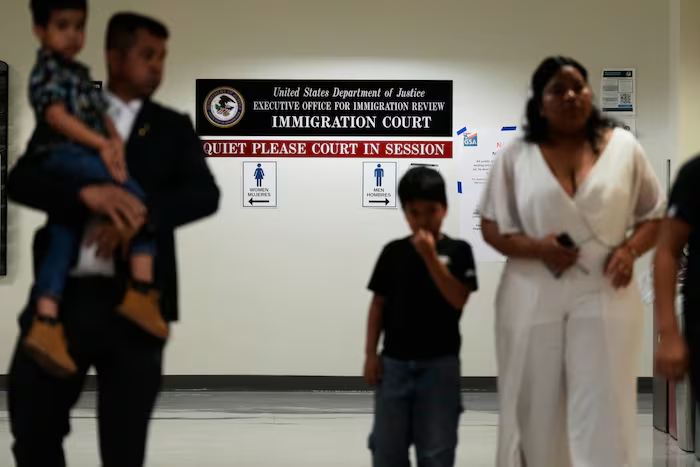
At Sacramento’s immigration court, lawyer Kamalpreet Chohan reviewed a docket of 57 individuals scheduled for hearings one morning and made a sobering observation: not a single person had legal counsel. Chohan coordinates a volunteer program designed to fill the void left by a shortage of attorneys willing and able to represent immigrants facing deportation.
The absence of legal representation carries heightened consequences under the second Trump administration, which has prioritized mass deportation enforcement. Immigration courts are increasingly rejecting asylum claims, immigration officers conduct arrests in courthouse hallways, and expedited hearing schedules have forced many immigrants to miss critical dates.
Unlike criminal proceedings, immigration courts do not guarantee defendants an attorney. Immigrants must either pay thousands of dollars for private representation or compete for limited pro bono services from nonprofit organizations. According to the Vera Institute of Justice, approximately 52 percent of the roughly 3.2 million pending deportation cases involve individuals without lawyers.
Data underscores the significance of legal representation. A 2024 Congressional Research Service study found that only 19 percent of unrepresented immigrants won asylum or another legal avenue to remain in the United States, compared to 47 percent of those with attorneys.
One Guatemalan immigrant who fled gang threats described spending $4,500 on a lawyer who proved to be a scammer, leaving him uncertain about his deportation hearing. Chohan now directs such victims toward vetted free attorneys, though lengthy waitlists limit immediate assistance.
During court days, Chohan works simultaneously in hearings and waiting areas, reviewing asylum applications, clarifying procedural requirements, and connecting immigrants with upcoming legal clinics. She emphasizes detailed applications, proper document translations, and timely submissions—details that can determine judicial outcomes.
The Trump administration has implemented “mega master” hearings with dozens of respondents simultaneously to reduce case backlogs, creating additional confusion for unrepresented individuals already processing information through translators. Chohan believes the volunteer program bridges a critical gap until comprehensive legal access becomes available.

More Stories
Federal voting arrest in New Jersey adds new pressure point in Sherrill-Trump standoff
Colombia backs Trump security push while limiting U.S. role in anti-gang operations
Packers Running Back Josh Jacobs Placed on NFL Commissioner’s Exempt List Following Domestic Arrest