


💛 A quick favor, if you've got a second.
We're really happy that you chose to read one of our stories and sincerely hope you'll stick around to read more. We took our paywall down — for now — but that won't last forever, and when the gate goes back up, we'd love for you to already be on the inside.
It's free. So please enter your email here and don't forget to like and follow us on all of your favorite Social Media platforms!
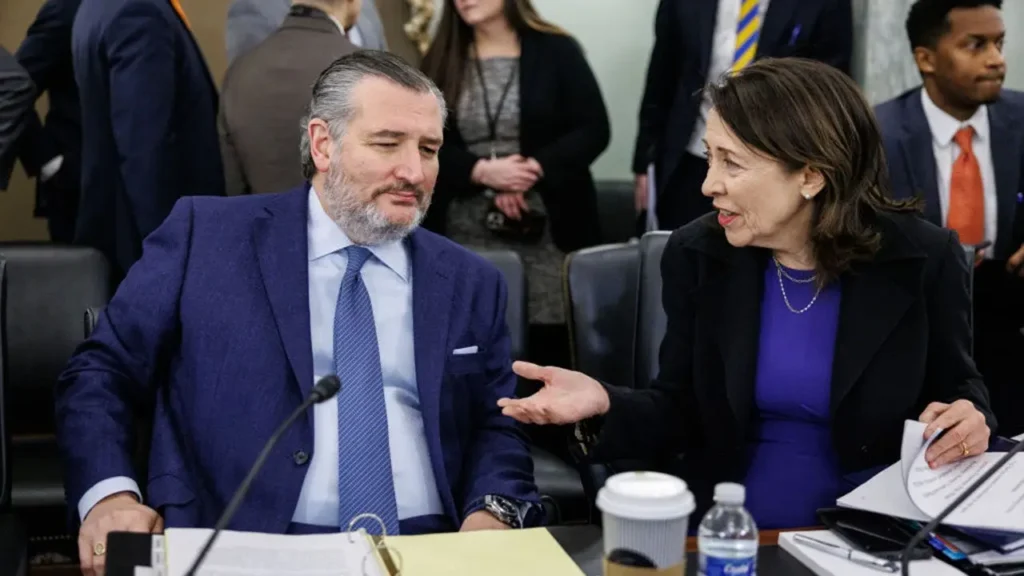
Momentum for the Protect College Sports Act collapsed in the early morning hours Saturday after a late-night Senate showdown, despite last-minute pressure from President Donald Trump to keep lawmakers in Washington. Senators Ted Cruz of Texas, Maria Cantwell of Washington, and Eric Schmitt of Missouri were unable to secure enough support for a vote before the August recess, forcing organizers to negotiate a guaranteed vote in September instead.
The bill, which would establish the first federal protections for athlete name, image and likeness rights alongside scholarship and healthcare guarantees, had appeared poised for passage just days earlier when the SEC and Big Ten conferences announced their support. However, a cascade of amendments filed Friday and multiple Senate objections derailed the expedited timeline, reducing what backers hoped would be a quick path to House consideration into a months-long process.
Senator Moody of Florida proposed the most significant amendment, challenging a five-year independent conference clause that would require schools leaving their current conference to operate independently before joining another. Her proposal would create a 180-day window allowing schools to exit their current conference without the five-year penalty, potentially benefiting institutions like Florida State and Miami that have sought to leave the ACC.
The amendment faced substantial behind-the-scenes resistance from multiple Senate offices concerned about conference realignment chaos. Senator John Kennedy of Louisiana also objected to the bill, criticizing language providing liability protections to the NCAA, while outside advocates including Riley Gaines raised concerns that current protections for women’s sports contained fatal flaws that could invite legal challenges from transgender athletes.
The White House counsel released a statement Friday clarifying that the legislation would not preempt existing state laws prohibiting transgender athletes from competing in sports consistent with their gender identity. The Congressional Black Caucus simultaneously announced it could not support the bill in its current form, further limiting the prospects for a quick resolution.
Cruz and Schmitt acknowledged their disappointment in a statement Saturday morning but expressed confidence in passing the bill during the fall college football season with Trump’s backing. Senate Majority Whip John Thune set a confirmed September vote date, ensuring the measure would not languish indefinitely, though passage would still require navigating additional amendments and securing 60 votes for passage.



More Stories
Federal voting arrest in New Jersey adds new pressure point in Sherrill-Trump standoff
Indiana coach Curt Cignetti tells restless Hoosiers fans not to gripe over 38-0 win
Colombia backs Trump security push while limiting U.S. role in anti-gang operations