




💛 A quick favor, if you've got a second.
We're really happy that you chose to read one of our stories and sincerely hope you'll stick around to read more. We took our paywall down — for now — but that won't last forever, and when the gate goes back up, we'd love for you to already be on the inside.
It's free. So please enter your email here and don't forget to like and follow us on all of your favorite Social Media platforms!
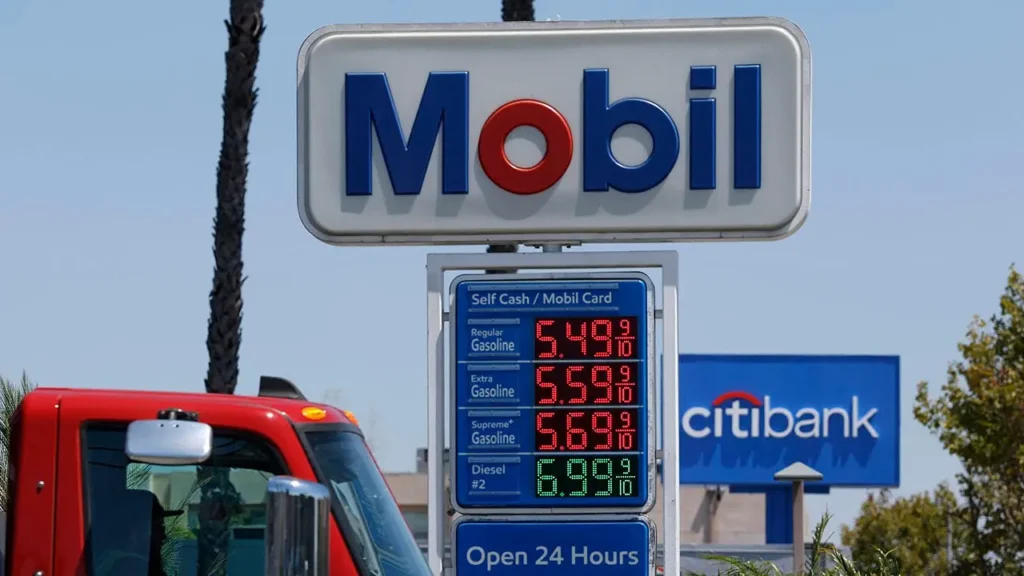
A social media discussion erupted this week when Turning Point USA’s Andrew Kolvet highlighted complaints from Generation Z voters at his events about $20 burritos, sparking debate about whether inflation will damage Republican prospects in the midterms. Some observers cited the exchange as evidence that affordability concerns pose a serious threat to GOP candidates, while others dismissed younger voters’ complaints as excessive or compared them unfavorably to previous generations’ economic hardships.
The underlying debate reflects deeper questions about whether rising prices will shift voters toward Democrats and away from the current political landscape. Political scientists distinguish between two categories of issues: gut issues that voters feel emotionally, such as crime, and mental issues that require more intellectual consideration, like foreign policy. Inflation occupies an unusual position, capable of functioning as either type depending on circumstances and voter circumstances.
Direct experiences with inflation—such as watching grocery store totals climb while shopping—create visceral, emotional responses. During a fall 2024 visit to Bedford, Pennsylvania, a restaurant patron spontaneously complained about grocery prices, drawing immediate recognition from others present. Two years ago, cost-of-living concerns dominated conversations with voters across multiple regions, often overshadowing all other political considerations.
Recent observations in Detroit revealed a different picture, with voters emphasizing local economic revival rather than fixating on prices. This sentiment likely contributed to Democratic Senate nominee Abdul El-Sayed’s narrow statewide primary victory but substantial loss within Detroit itself to the more mainstream Rep. Haley Stevens.
A temporary spike in gas prices this spring briefly made fuel costs the dominant complaint, but prices have since stabilized within ranges voters describe as tolerable. Generation Z faces legitimate economic challenges beyond meal delivery costs, particularly regarding the expense of establishing independent adult lives compared to previous decades.
Republicans possess opportunities to appeal to economically frustrated younger voters through targeted relief measures, similar to benefits from the Trump tax cuts, rather than competing with Democratic socialism messaging. President Joe Biden’s attempts to convince Americans of their economic well-being while they tightened budgets backfired because inflation had transformed into a deeply personal, gut-level concern.
The 2026 election represents a choice between Republican incremental progress and Democratic systemic overhaul involving court restructuring and healthcare transformation. Barring catastrophic developments, this framing favors Republicans, suggesting that inflation alone may prove less electorally decisive than many analysts expect.



More Stories
Colombia backs Trump security push while limiting U.S. role in anti-gang operations
Former NFL cheerleader and ex-aide face off in close Rhode Island GOP primary
Chicago Mayor Issues Executive Order Requiring Contractor Diversity Disclosures and ICE Ties Reporting