


💛 A quick favor, if you've got a second.
We're really happy that you chose to read one of our stories and sincerely hope you'll stick around to read more. We took our paywall down — for now — but that won't last forever, and when the gate goes back up, we'd love for you to already be on the inside.
It's free. So please enter your email here and don't forget to like and follow us on all of your favorite Social Media platforms!
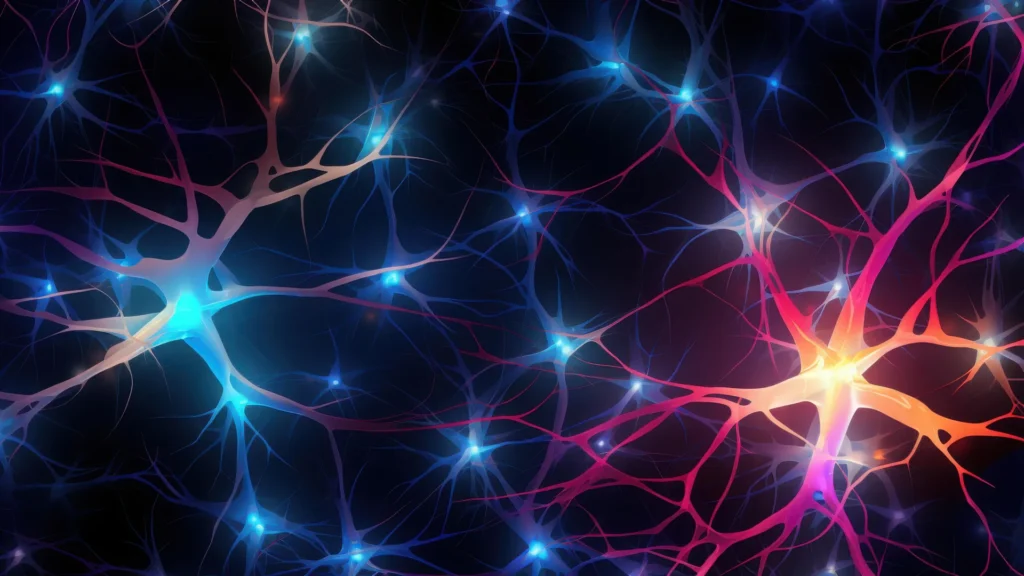
Researchers have identified a pivotal biological transformation occurring in the brain’s memory region starting around age 50, according to new findings. The hippocampus, crucial for memory formation and storage, experiences a notable depletion of protective immune cells during this period, scientists report.
As these long-established immune cells diminish, the brain compensates by developing more inflammatory immune cells to fill the void. This cellular turnover represents a fundamental shift in how the aging brain protects itself at the immunological level.
The discovery offers potential insight into why normal aging processes may create vulnerability to neurodegenerative conditions. The inflammatory immune cell population that replaces the protective cells could be a critical factor in initiating the cascade of events leading to Alzheimer’s disease and dementia development.



More Stories
New York Health Officials Sound Alarm Over Rising Measles Cases as School Year Approaches
CareCloud Breach Compromises 3.75 Million Patient Records, Among Largest Healthcare Data Thefts of 2026
Month-Long HEPA Use Linked to Faster Cognitive Processing in Middle-Aged Adults