


💛 A quick favor, if you've got a second.
We're really happy that you chose to read one of our stories and sincerely hope you'll stick around to read more. We took our paywall down — for now — but that won't last forever, and when the gate goes back up, we'd love for you to already be on the inside.
It's free. So please enter your email here and don't forget to like and follow us on all of your favorite Social Media platforms!
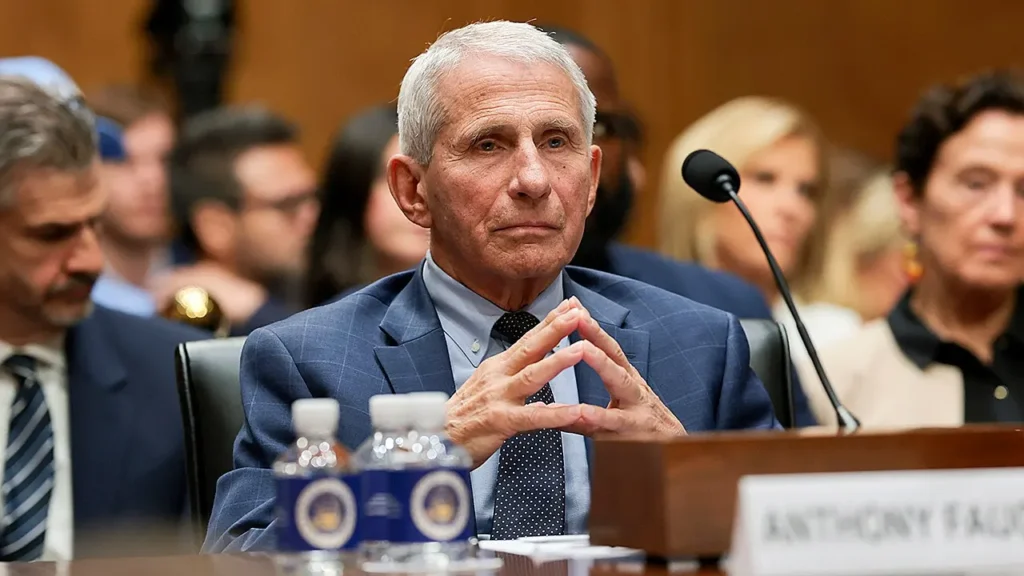
The U.S. Senate Committee on Homeland Security & Governmental Affairs is pursuing contempt charges against Dr. Anthony Fauci, the former director of the National Institute of Allergy and Infectious Diseases, after he declined to answer more than 100 questions about his conduct during the pandemic. The effort faces substantial legal obstacles that could ultimately protect Fauci from consequences, despite the committee’s determination to proceed.
Central to the controversy is whether Fauci can legally invoke the Fifth Amendment privilege against self-incrimination given that he received a broad pardon from former President Joe Biden covering his conduct dating back to 2014. The Senate committee argues the pardon eliminates any legal exposure, meaning Fauci has no valid reason to remain silent when testifying truthfully. However, Fauci contends he faces a “perjury trap” and cited the potential for state-level investigations not covered by the federal pardon.
Legal precedent offers unclear guidance on this precise scenario. Supreme Court rulings dating to 1896 establish that mere fear of perjury charges cannot compel immunized witnesses to testify, while other decisions have rejected “anticipatory perjury” as grounds for refusing to answer questions. Courts have historically adopted expansive interpretations protecting the right to remain silent, suggesting Fauci likely holds the legal advantage in any litigation.
The contempt referral itself deviates from standard procedure by moving directly from committee to the Justice Department rather than requiring a full Senate vote. The Trump administration will face the unusual position of defending Biden’s pardon—an action it has previously questioned—to prosecute its case against Fauci.
Fauci invoked the Fifth Amendment 111 times during his testimony. While his legal right to remain silent appears defensible, critics argue that doing so while receiving a presidential pardon demonstrates contempt for the public and families affected by pandemic policies, regardless of whether Congress can legally compel his answers.



More Stories
Federal voting arrest in New Jersey adds new pressure point in Sherrill-Trump standoff
Colombia backs Trump security push while limiting U.S. role in anti-gang operations
Packers Running Back Josh Jacobs Placed on NFL Commissioner’s Exempt List Following Domestic Arrest