

💛 A quick favor, if you've got a second.
We're really happy that you chose to read one of our stories and sincerely hope you'll stick around to read more. We took our paywall down — for now — but that won't last forever, and when the gate goes back up, we'd love for you to already be on the inside.
It's free. So please enter your email here and don't forget to like and follow us on all of your favorite Social Media platforms!
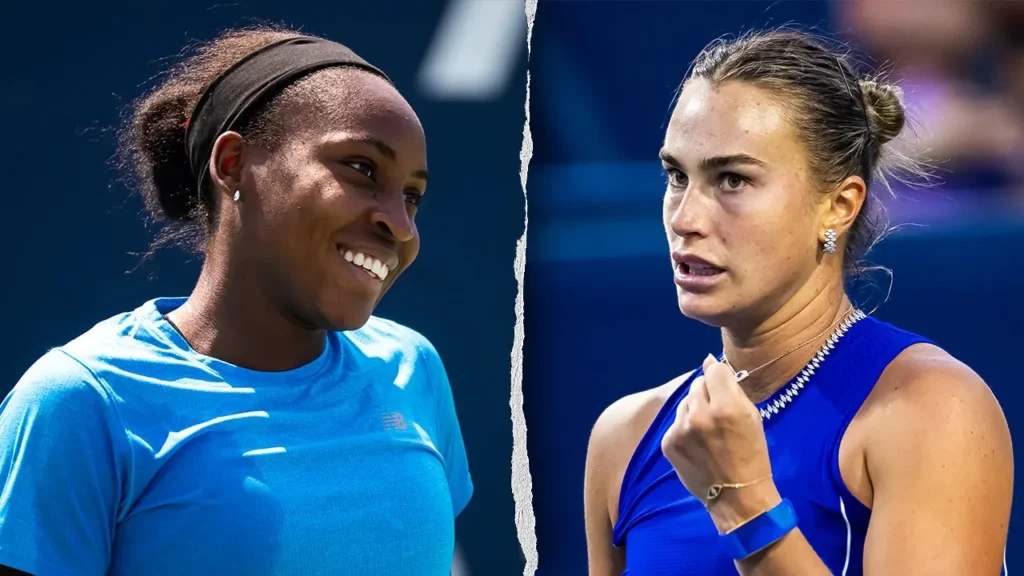
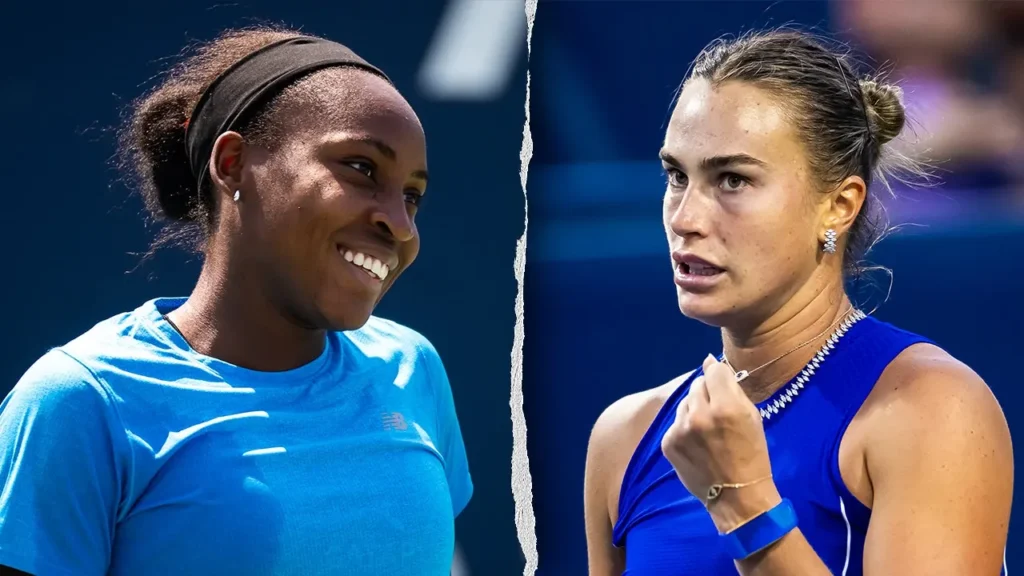
The Women’s Tennis Association announced mandatory sex testing for tournament eligibility and the 2028 Los Angeles Olympics, a policy that has generated significant debate. The new requirements direct players to undergo one-time screening for the SRY gene, typically found on the Y chromosome and linked to male sex development, through cheek swab, blood test or saliva sample. Players testing negative may compete unless evidence suggests an incorrect result, while positive tests require further medical review before competition eligibility is determined.
World No. 1 Aryna Sabalenka has publicly endorsed the testing protocol, arguing it preserves fairness in women’s tennis by recognizing biological differences between male and female athletes. Sabalenka has consistently maintained this position, emphasizing that the sport’s competitive integrity depends on acknowledging physical disparities that affect performance metrics including power, speed and endurance. Her support reflects a longstanding commitment to protecting women’s sports categories.
Fourth-ranked Coco Gauff has not opposed the policy despite her progressive positioning on social issues. After expressing support for the transgender community and characterizing the issue as nuanced, Gauff acknowledged agreement with maintaining fairness in women’s sports and recognizing biological differences between sexes. Her qualified endorsement represents a notable gap between activist expectations and athlete responses.
Third-ranked American Jessica Pegula, a WTA Players’ Council member, reported no significant player opposition to the testing requirement. Pegula, who typically avoids political commentary and focuses exclusively on tennis matters, said she has not heard complaints from fellow competitors regarding the policy. Her assessment suggests limited internal resistance among professional women’s tennis players to the WTA’s new eligibility framework.

More Stories
Indiana coach Curt Cignetti tells restless Hoosiers fans not to gripe over 38-0 win
Colombia backs Trump security push while limiting U.S. role in anti-gang operations
Chicago Mayor Issues Executive Order Requiring Contractor Diversity Disclosures and ICE Ties Reporting