

💛 A quick favor, if you've got a second.
We're really happy that you chose to read one of our stories and sincerely hope you'll stick around to read more. We took our paywall down — for now — but that won't last forever, and when the gate goes back up, we'd love for you to already be on the inside.
It's free. So please enter your email here and don't forget to like and follow us on all of your favorite Social Media platforms!
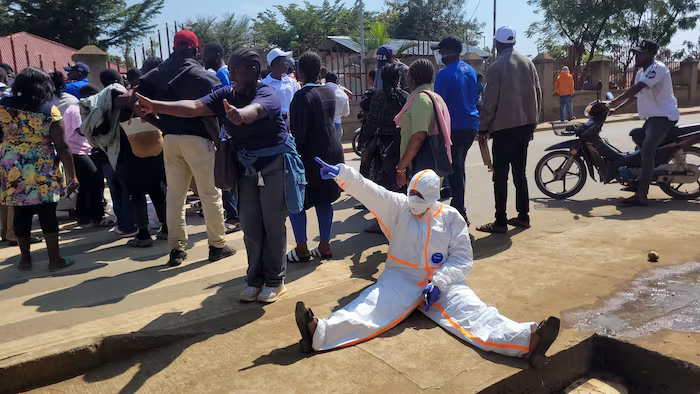
Health workers treating Ebola patients in Bunia, Congo, walked off the job Thursday to protest months of unpaid compensation, escalating a growing crisis at the center of the world’s fastest-spreading outbreak of the deadly virus. The demonstration at the governor’s office in Bunia, capital of Ituri province, marks the latest labor action since wage disputes began weeks earlier, with medical staff abandoning critical care facilities as the epidemic continues its rapid expansion.
Ituri province accounts for nearly 90 percent of Congo’s confirmed Ebola cases. Nurses and other health workers said they have not received salaries or bonuses since the outbreak was officially declared in mid-May. “With this way of managing things, Ebola will not end in this province. We ask the authorities to get involved at all levels so that a solution is found quickly,” protester Edouige Makosi said.
Congolese officials have previously attributed payment delays to logistical complications but did not respond to requests for comment Thursday. The compensation problems compound existing dangers faced by frontline responders, who have endured attacks from armed rebels and hostile community members in the remote, unstable region.
World Health Organization Director-General Tedros Adhanom Ghebreyesus visited Congo on Wednesday and called on authorities to ensure adequate care and support for outbreak responders. Doctors Without Borders warned this week that transmission continues “at an alarming and unprecedented rate” despite expanded response efforts, noting that aid remains unable to reach affected communities quickly enough to interrupt disease chains.

More Stories
Colombia backs Trump security push while limiting U.S. role in anti-gang operations
Federal Prosecutors Convene Special Grand Jury to Investigate D.C. Schools’ Attendance and Graduation Practices
State Department Reissues Level 3 Travel Advisory for Israel Amid Terrorism and Armed Conflict Concerns