



💛 A quick favor, if you've got a second.
We're really happy that you chose to read one of our stories and sincerely hope you'll stick around to read more. We took our paywall down — for now — but that won't last forever, and when the gate goes back up, we'd love for you to already be on the inside.
It's free. So please enter your email here and don't forget to like and follow us on all of your favorite Social Media platforms!
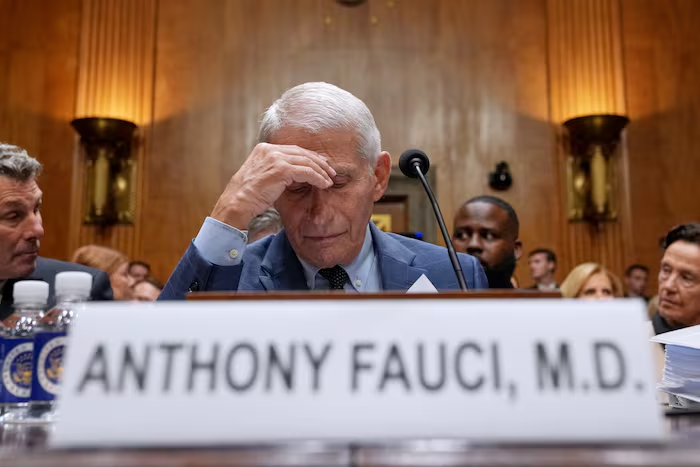
The Senate Committee on Homeland Security and Governmental Affairs is scheduled to vote Thursday on whether to recommend contempt charges against Dr. Anthony Fauci and forward the matter to the Justice Department for possible prosecution. The action stems from Fauci’s extensive reliance on his Fifth Amendment privilege during last week’s testimony before the panel, which examined his stewardship of the federal pandemic response.
Fauci invoked his constitutional right against self-incrimination more than 100 times during the committee hearing. Republican Chairman Rand Paul of Kentucky has disputed the validity of this protection, arguing that Fauci’s pardon from President Joe Biden last year rendered any prosecution threat moot and therefore eliminated the legal basis for refusing to answer questions.
In advance of the hearing, Fauci countered that he had legitimate grounds for concern about potential criminal liability given Paul’s stated political intentions. The doctor noted Paul’s public declarations that he would ensure Fauci faced imprisonment, suggesting the senator’s adversarial approach created genuine jeopardy regardless of the pardon’s scope.
Biden’s pardon covers Fauci’s actions from 2014 through January 2025 but provides no shield against state-level prosecution or investigations into whether his testimony was materially false. Paul has acknowledged that full Senate votes on contempt resolutions traditionally occur but expressed reluctance to pursue that path given the likely failure to reach the 60-vote threshold required for advancement.
If the committee approves the referral Thursday morning, the matter would be directed to the U.S. Attorney’s Office in Washington for evaluation and potential legal action. The confrontation raises broader constitutional questions about lawmakers’ authority to compel testimony from previously pardoned witnesses, with potential implications for other clemency decisions President Trump may issue before leaving office.



More Stories
Federal voting arrest in New Jersey adds new pressure point in Sherrill-Trump standoff
Colombia backs Trump security push while limiting U.S. role in anti-gang operations
Former NFL cheerleader and ex-aide face off in close Rhode Island GOP primary