

💛 A quick favor, if you've got a second.
We're really happy that you chose to read one of our stories and sincerely hope you'll stick around to read more. We took our paywall down — for now — but that won't last forever, and when the gate goes back up, we'd love for you to already be on the inside.
It's free. So please enter your email here and don't forget to like and follow us on all of your favorite Social Media platforms!
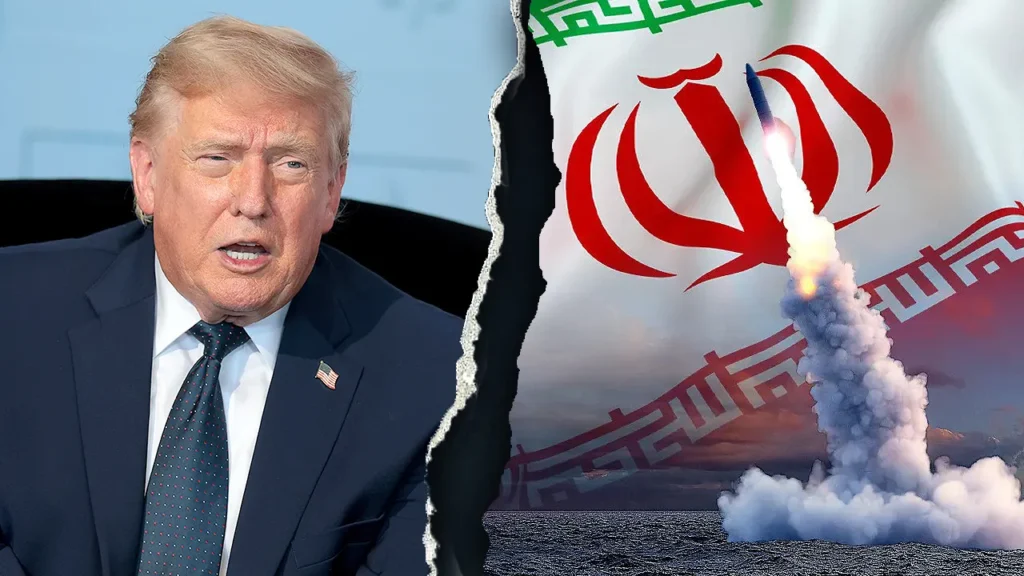
Iran’s Revolutionary Guard commander Ahmad Vahidi stated Wednesday that Tehran will persist in developing nuclear weapons capabilities so long as the United States and Israel maintain their own arsenals, raising alarm among specialists that Iran may be leveraging Strait of Hormuz discussions to sidestep commitments on its atomic program. Vahidi’s declaration, according to available translations, asserted that Iranian nuclear development would cease only if Washington and Tel Aviv disarmed first, effectively signaling Tehran’s unwillingness to make near-term concessions on enrichment activities.
Israeli Prime Minister Benjamin Netanyahu responded swiftly, reaffirming his government’s resolve to prevent Iran from acquiring nuclear weapons whether or not a diplomatic framework emerges. Speaking at a ceremony honoring the grandparents of Theodor Herzl, Netanyahu stated that Israeli security would not be subject to negotiation and pledged to take all necessary measures to protect the nation’s future, while praising Trump as an invaluable partner in countering Iran’s nuclear ambitions.
A cohort of nuclear policy specialists has urged the Trump administration to maintain Iran’s atomic capabilities as the centerpiece of any negotiations, cautioning that Tehran could exploit the maritime crisis to extract sanctions relief and other concessions before meaningfully addressing its enriched-uranium stockpiles and nuclear infrastructure. Andrea Stricker, deputy director of the Foundation for Defense of Democracies’ Nonproliferation and Biodefense Program, warned that sequencing talks to address the Strait before nuclear issues plays directly into Iran’s strategic interests.
Trump indicated Tuesday on Fox News that military action remained a possibility should Iran withdraw from talks, while maintaining that Tehran cannot be permitted to develop nuclear weapons. The president characterized ongoing negotiations as productive, noting that talks have centered initially on reopening the Strait of Hormuz with the nuclear file scheduled for later discussion.
Stricker cautioned that Iran’s apparent strategy involves securing major American concessions on Hormuz issues and sanctions relief before confronting its nuclear capabilities, potentially eliminating U.S. leverage for future agreements. She stressed that linking every concession—whether involving the waterway, sanctions, or blockades—to concrete Iranian nuclear steps would be essential to achieving a robust accord.
According to reporting by Axios and the Washington Post, Iran has actively proposed that Hormuz discussions and regional conflict resolution precede nuclear negotiations, demonstrating an intent to preserve its bargaining position on maritime matters rather than engage seriously on nuclear restrictions. A senior Iranian source and regional officials told Reuters Wednesday that Iran is pursuing an agreement with Oman that could grant Tehran some authority over vessels transiting the Persian Gulf through the Strait, though Washington has opposed both Iranian control mechanisms and mandatory transit fees.
Kelsey Davenport, director of nonproliferation policy at the Arms Control Association, confirmed that Iran is seeking to capitalize on leverage gained from disrupting maritime commerce but noted that any lasting agreement must ultimately address the nuclear program. She emphasized that Iranian knowledge and expertise cannot be eliminated through military means and that without robust oversight, the atomic program would remain a destabilizing force even if weapons-related activities were temporarily halted.
Davenport recommended that Washington prioritize restoring International Atomic Energy Agency inspector access to key Iranian nuclear sites before entering substantive nuclear negotiations, as the IAEA has not conducted inspections at critical facilities for more than a year. She also suggested structuring any sanctions relief around discrete, verifiable Iranian steps rather than negotiating a comprehensive package, which could build confidence incrementally while preserving negotiating leverage.

More Stories
Colombia backs Trump security push while limiting U.S. role in anti-gang operations
Trump Threatens FCC Action Against NBC’s Welker Over Endorsement Coverage
Federal Prosecutors Convene Special Grand Jury to Investigate D.C. Schools’ Attendance and Graduation Practices