
💛 A quick favor, if you've got a second.
We're really happy that you chose to read one of our stories and sincerely hope you'll stick around to read more. We took our paywall down — for now — but that won't last forever, and when the gate goes back up, we'd love for you to already be on the inside.
It's free. So please enter your email here and don't forget to like and follow us on all of your favorite Social Media platforms!
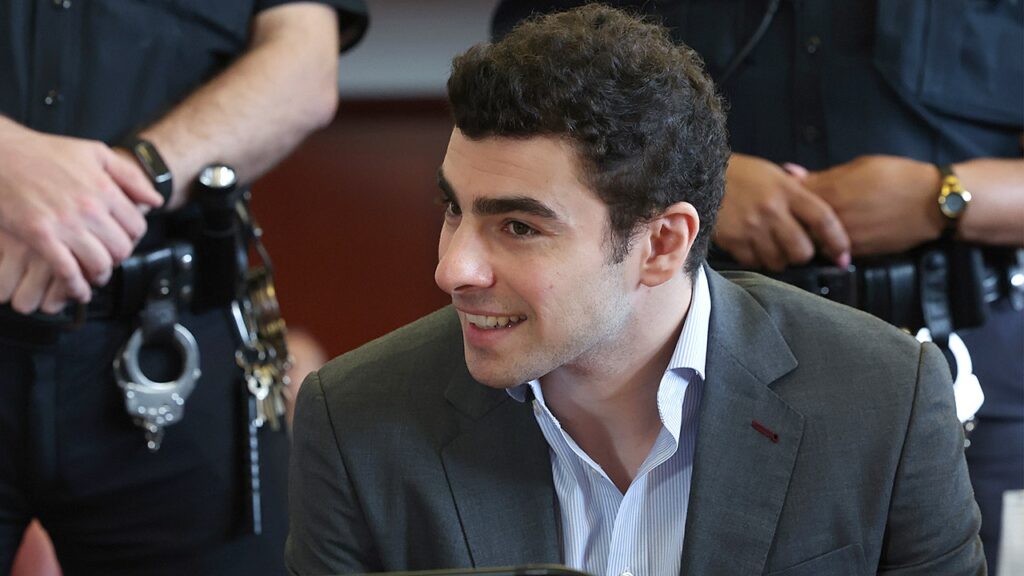
The defense team for Luigi Mangione, accused of killing UnitedHealthcare CEO Brian Thompson, filed arguments Friday claiming state media restrictions on his trial are unconstitutional and calling for livestreamed proceedings. The request masks a calculated effort to manipulate jurors through influencer content and social media virality, according to legal experts critical of the strategy.
Karen Friedman Agnifilo, representing Mangione, stated her team had not been consulted on media access policies for the September trial and learned of restrictions only through coverage by an independent journalist. The defense contends that current media rules limit transparency and that full broadcasting of the proceedings would remedy this concern.
Neama Rahmani, president of West Coast Trial Lawyers and former federal prosecutor, dismissed the defense argument as calculated theater designed to exploit Mangione’s unusual popularity among segments of the public. Rahmani noted surveys show 10 to 20 percent of respondents believe Mangione’s alleged actions were justified, a sentiment the defense likely intends to amplify through courtroom footage.
Rahmani explained the defense strategy hinges on converting trial content into shareable social media clips, a tactic traditional courtroom sketches cannot achieve. Influencer-driven viral videos posted to platforms like TikTok and Instagram represent far more potent jury influence mechanisms than conventional media coverage, he argued.
Mangione supporters, calling themselves “The Mangionistas,” have camped outside federal and state courthouses in demonstrations of public backing. Such visible support outside the courtroom mirrors what defense attorneys hope to replicate inside through livestreamed proceedings that reach broader audiences.
However, New York state law prohibits livestreaming of criminal trials, making the defense request legally unfeasible unless the legislature acts or a judge takes extraordinary measures. Rahmani noted the filing may serve an additional purpose: creating public perception of judicial obstruction should the request be denied.

More Stories
Federal voting arrest in New Jersey adds new pressure point in Sherrill-Trump standoff
Trump Threatens FCC Action Against NBC’s Welker Over Endorsement Coverage
Packers Running Back Josh Jacobs Placed on NFL Commissioner’s Exempt List Following Domestic Arrest