



💛 A quick favor, if you've got a second.
We're really happy that you chose to read one of our stories and sincerely hope you'll stick around to read more. We took our paywall down — for now — but that won't last forever, and when the gate goes back up, we'd love for you to already be on the inside.
It's free. So please enter your email here and don't forget to like and follow us on all of your favorite Social Media platforms!
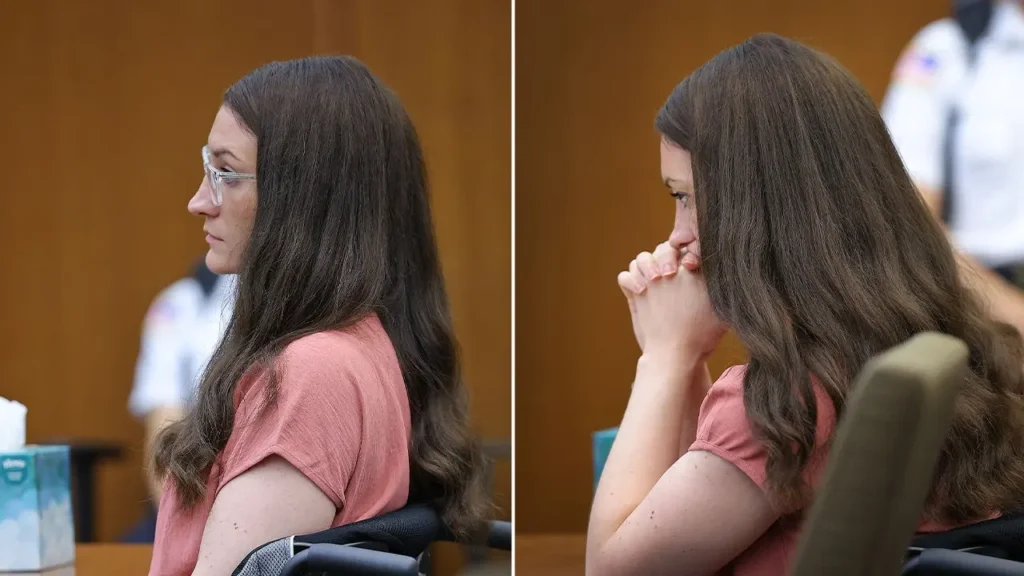
Lindsay Clancy’s legal team achieved a significant courtroom victory Monday when a hospital psychiatrist conceded that individuals experiencing psychosis can still communicate, formulate plans and execute those plans—undermining prosecutors’ characterization of the Massachusetts mother as deliberately and methodically acting. Dr. Sejal Shah, an associate chief of psychiatry at Brigham and Women’s Hospital, confirmed under cross-examination that psychotic individuals need not display obvious incapacity such as stumbling or inability to speak to meet the clinical definition of psychosis.
Clancy faces three counts each of murder and strangulation in connection with the deaths of her children—Cora, 5; Dawson, 3; and Callan, 8 months—who died in the family’s Duxbury home. Her defense argues she was suffering from postpartum psychosis at the time, while prosecutors maintain she acted with deliberation and full awareness of her actions. The case hinges entirely on Clancy’s mental state during the moments when the children were killed, according to legal analysts.
Shah’s testimony revealed that Clancy presented with confusion and visual hallucinations following spinal surgery, with initial symptoms resolving within days. During subsequent evaluations, Clancy appeared calm, organized and goal-directed in her thinking. Defense attorney Kevin Reddington pressed Shah to confirm that Clancy had been truthful about her symptoms rather than exaggerating them to bolster a legal defense, and Shah agreed the patient was not manipulative or fabricating her condition.
Celebrity criminal defense attorney Seth J. Zuckerman called the concession “extremely helpful to the defense,” though he cautioned it remains non-determinative. He noted the Massachusetts legal standard places the burden on prosecutors to prove criminal responsibility at the precise moment of the killings—a distinction he said benefits Clancy’s case. Whether the defense can ultimately connect documented psychiatric symptoms to the critical timeframe remains the decisive factor in the trial.
On redirect examination, prosecutors highlighted gaps in Clancy’s medication compliance and noted she had requested do-not-resuscitate status following her fall from a second-story window. Shah confirmed Clancy later agreed her mental health required stabilization before reconsidering that request. Clancy, a former labor and delivery nurse at Massachusetts General Hospital, has pleaded not guilty to all charges, with Judge William Sullivan instructing jurors that the Commonwealth must prove guilt beyond a reasonable doubt.


More Stories
Packers Running Back Josh Jacobs Placed on NFL Commissioner’s Exempt List Following Domestic Arrest
Federal Prosecutors Convene Special Grand Jury to Investigate D.C. Schools’ Attendance and Graduation Practices
Denver Broncos Linebacker Jonathon Cooper Placed on Commissioner’s Exempt List Amid Domestic Violence Charges