



💛 A quick favor, if you've got a second.
We're really happy that you chose to read one of our stories and sincerely hope you'll stick around to read more. We took our paywall down — for now — but that won't last forever, and when the gate goes back up, we'd love for you to already be on the inside.
It's free. So please enter your email here and don't forget to like and follow us on all of your favorite Social Media platforms!
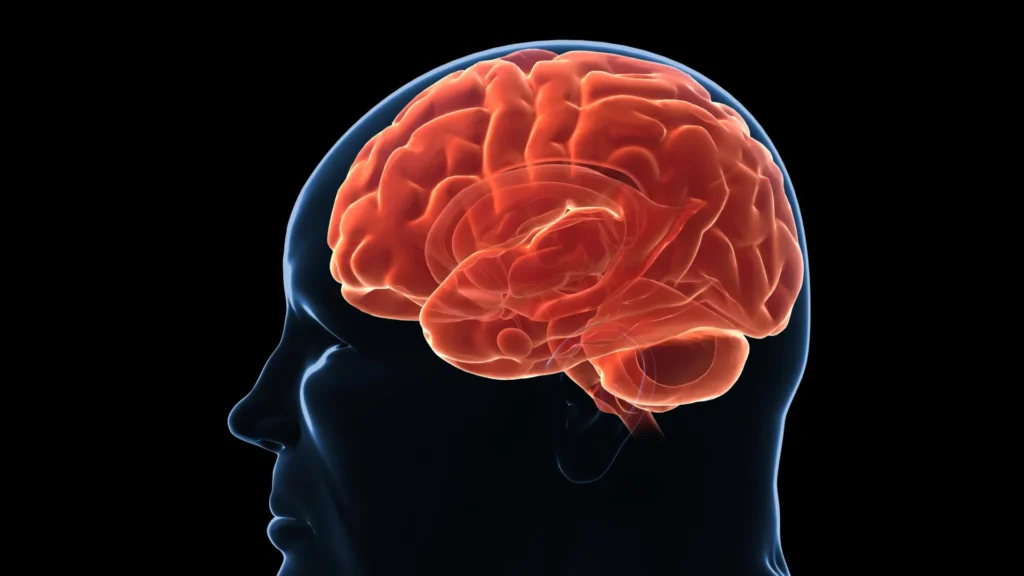
Maintaining weight loss involves far more than simple self-discipline, according to scientific evidence about how the human brain responds to reduced caloric intake. Evolutionary pressures shaped neural pathways designed to preserve body fat reserves during periods of food scarcity, creating a biological drive to defend against sustained weight reduction. This neurological adaptation means the brain can perceive a person’s previous, heavier weight as a physiological set point and actively work to restore it.
When individuals lose weight, the brain initiates a cascade of biological responses aimed at reversing the loss. These mechanisms include intensified hunger signals, amplified food cravings, and decreased metabolic energy expenditure—collectively making weight maintenance increasingly difficult over time. This phenomenon explains the widespread pattern of weight regain observed among dieters and accounts for the frustration many experience when pounds return despite behavioral modifications.
Pharmaceutical interventions like Wegovy and Mounjaro have demonstrated efficacy in counteracting these biological drives by suppressing appetite-signaling pathways in the brain. However, researchers caution that such medications’ effectiveness may diminish once treatment concludes, highlighting the ongoing neurological challenge of sustained weight management without continued pharmaceutical support.


More Stories
New York Health Officials Sound Alarm Over Rising Measles Cases as School Year Approaches
CareCloud Breach Compromises 3.75 Million Patient Records, Among Largest Healthcare Data Thefts of 2026
Month-Long HEPA Use Linked to Faster Cognitive Processing in Middle-Aged Adults