


💛 A quick favor, if you've got a second.
We're really happy that you chose to read one of our stories and sincerely hope you'll stick around to read more. We took our paywall down — for now — but that won't last forever, and when the gate goes back up, we'd love for you to already be on the inside.
It's free. So please enter your email here and don't forget to like and follow us on all of your favorite Social Media platforms!
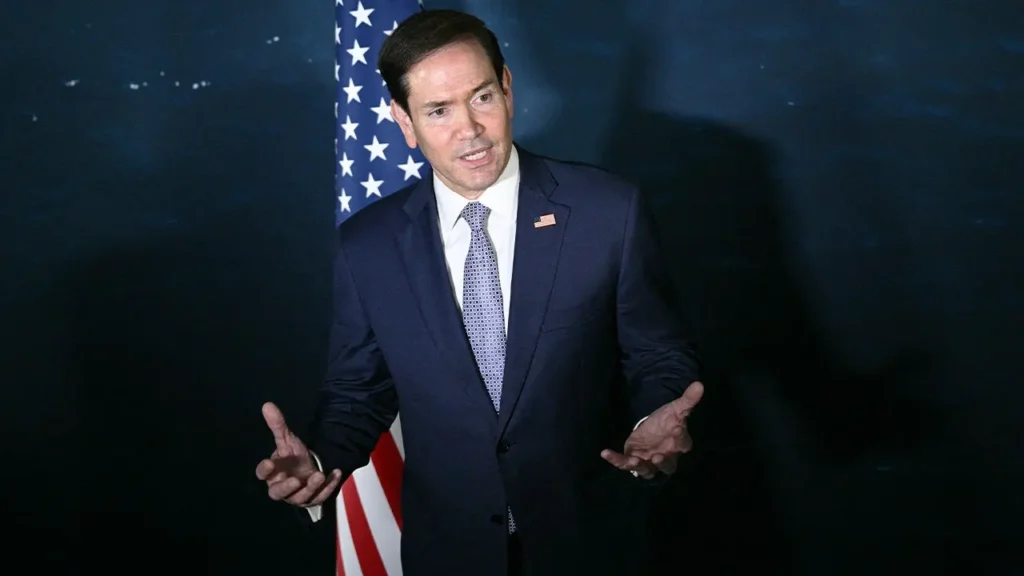
Secretary of State Marco Rubio has publicly warned that Cuba maintains an extensive espionage operation targeting American government institutions and has successfully embedded agents throughout the U.S. system. Speaking on “My View with Lara Trump” on Saturday, Rubio characterized the island nation as a direct national security threat, emphasizing its proximity to American shores and alignment with U.S. adversaries.
The secretary’s remarks came shortly after the State Department released a comprehensive 100-page report documenting Cuban influence operations within the United States. That report tied Cuba to Antifa movements and radical activist groups, describing the nation as the “capital of 21st-century communism.” Rubio called Cuba an “influence and espionage superpower” with a singular historical distinction among foreign powers.
Rubio highlighted the case of former U.S. Ambassador Manuel Rocha, who pleaded guilty to serving as a Cuban intelligence agent for decades and received a 15-year prison sentence. He also referenced Ana Belén Montes, a Defense Intelligence Agency analyst convicted of transmitting classified American secrets to Cuba, characterizing her penetration as among the most serious in U.S. intelligence history.
The secretary alleged that Cuba orchestrates protest movements across the country to pressure American policymakers on various issues, including pro-Hamas activism, anti-immigration enforcement demonstrations, and pro-Maduro rallies. Rubio asserted these campaigns lack organic support and are instead funded and coordinated by Cuban state actors seeking to influence U.S. policy decisions.
Rubio extended his criticism beyond domestic matters, accusing Cuba of fueling communist insurgencies throughout Latin America over the past four to five decades. He dismissed American academics and journalists who sympathize with Cuba’s one-party communist system under President Miguel Díaz-Canel, attributing such positions to anti-American sentiment or ideological alignment rather than factual assessment.
Some observers have criticized the State Department’s report as a potential justification for military action against Cuba, characterizing it as strategic fear-mongering. Rubio countered such skepticism, maintaining that the documented threat cannot be ignored regardless of the political motivations behind publicizing it.


More Stories
Chicago Mayor Issues Executive Order Requiring Contractor Diversity Disclosures and ICE Ties Reporting
University of Pennsylvania Climate Scientist Demands Supreme Court Packing Pledge From Democratic Candidates
State Department Reissues Level 3 Travel Advisory for Israel Amid Terrorism and Armed Conflict Concerns