




💛 A quick favor, if you've got a second.
We're really happy that you chose to read one of our stories and sincerely hope you'll stick around to read more. We took our paywall down — for now — but that won't last forever, and when the gate goes back up, we'd love for you to already be on the inside.
It's free. So please enter your email here and don't forget to like and follow us on all of your favorite Social Media platforms!
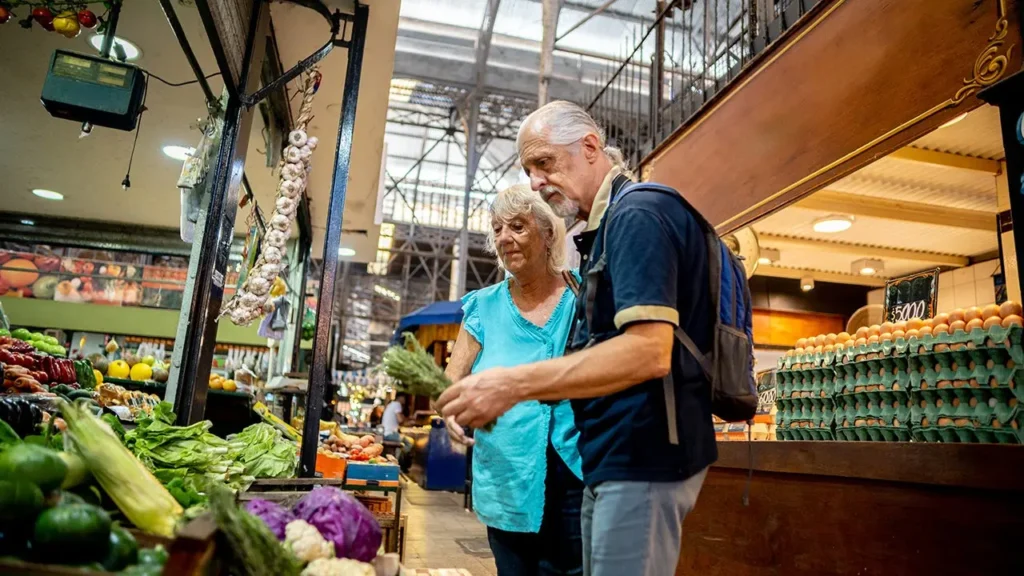
The grocery shopping experience has undergone substantial transformation in the past five decades, creating friction between retail innovations and older customers’ preferences. Baby boomers—those born between 1946 and 1964—represent a demographic increasingly vocal about their dissatisfaction with contemporary supermarket operations and technological changes that have reshaped how Americans purchase food.
Self-checkout technology ranks among the most contentious modern grocery store features for older adults. A YouGov survey found that 62% of respondents aged 65 and older favored traditional cashier-assisted checkout when given equal wait times, compared to just 34% who embraced self-service options. Baby boomers cite frustrations with produce weighing systems, diminished human interaction and the perception of performing unpaid labor as primary objections to automated checkout.
Generational shopping preferences reveal distinct patterns across age groups. A 2024 Feedback Group survey showed baby boomers favor traditional supermarkets (32%) followed by Walmart (28%), prioritizing cleanliness and organization. Gen X shoppers preferred Walmart (28%) over supermarkets (25%), while Gen Z demonstrated the lowest supermarket preference at 11%, instead gravitating toward Walmart (23%), Aldi (20%) and dollar stores (17%).
Frequent product relocations have emerged as another significant complaint from older shoppers across social media platforms. Retailers strategically rearrange merchandise to encourage extended browsing and increased purchases, a practice that particularly frustrates customers seeking familiar item locations.
Digital-only coupon programs disadvantage seniors without smartphones, despite growing technology adoption among older Americans. A 2022 Pew Research Center study documented increased tech usage among those 65 and older over the preceding decade, yet many baby boomers remain frustrated by digital-exclusive discounts that exclude less tech-savvy shoppers.
Shopping cart design carries practical importance for older adults who depend on them for mobility support, stability and rest during store visits. Boomers frequently express preferences for carts with smoothly swiveling, easily maneuvered wheels that accommodate their physical needs during shopping excursions.
Brand loyalty trends differ substantially between generations. A Numerator consumer survey found that more than one in four baby boomers (26%) rarely or almost never switch from preferred brands, contrasting with younger shoppers’ willingness to purchase generic alternatives. Online discussions show younger consumers criticizing older adults for paying premium prices for name-brand products offering identical quality to less expensive counterparts.
Staffing shortages have intensified baby boomer grievances about the grocery shopping experience. Reduced employee presence correlates with extended checkout lines, delayed service and fewer opportunities for personal customer interaction—elements many older shoppers value highly in retail environments.
The disappearance of dedicated grocery baggers has become another focal point of boomer complaints on social media platforms. Combined with self-checkout frustrations and understaffing concerns, the loss of bagging assistance symbolizes what many perceive as shifting labor responsibilities from employees to customers without compensation.
Out-of-stock items represent an issue with disproportionate impact on fixed-income retirees. Though many Americans accepted supply chain disruptions during the COVID-19 pandemic, older adults who depend on sale-priced merchandise to maintain grocery budgets face greater financial consequences when needed items remain unavailable.
Prepared food purchases show marked generational differences in adoption rates. While millennials represent the heaviest users of ready-to-eat grocery items, data from the U.S. Department of Agriculture and Food Marketing Institute research reveals that only 29% of shoppers ages 65 and older buy prepared foods to save time, compared to 45% of those ages 15 to 24. Prepared meals typically cost substantially more than items prepared from raw ingredients due to added convenience factors.



More Stories
Solar String Lights Hit All-Time Low Price With Additional Coupon Discount
Cyclospora Parasite Outbreak Tied to Recalled Lettuce Spreads to 20 States
New Jersey Moving Company Under Fire After Customer Belongings Found Discarded in Dumpsters