


💛 A quick favor, if you've got a second.
We're really happy that you chose to read one of our stories and sincerely hope you'll stick around to read more. We took our paywall down — for now — but that won't last forever, and when the gate goes back up, we'd love for you to already be on the inside.
It's free. So please enter your email here and don't forget to like and follow us on all of your favorite Social Media platforms!
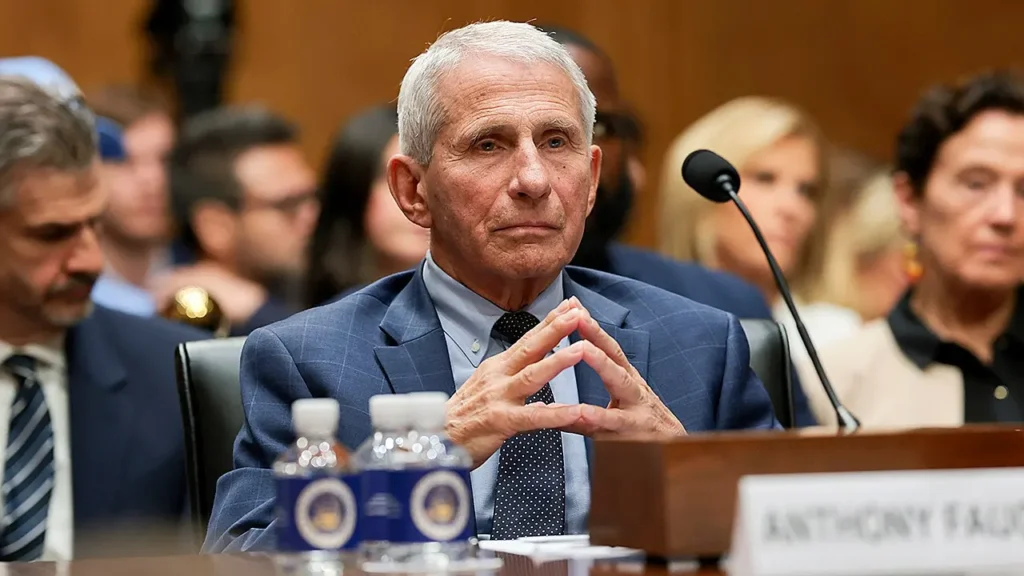
Dr. Anthony Fauci’s repeated invocation of the Fifth Amendment during a Senate hearing Wednesday has ignited a legal debate over whether a recipient of a presidential pardon can simultaneously claim self-incrimination privileges. The testimony prompted Sen. Rand Paul of Kentucky, chair of the Senate Homeland Security and Governmental Affairs Committee, to announce plans for a contempt vote targeting Fauci, who declined to answer more than 100 questions.
Former President Joe Biden issued Fauci an expansive pardon covering all conduct between January 1, 2014, and January 19, 2025. Fauci, who directed the government’s COVID-19 response strategy, now faces potential exposure only for perjury or false statements made during congressional testimony, since the pardon shields him from prosecution on underlying matters.
Abhishek Kambli, a former Justice Department attorney representing ex-Trump advisor Peter Navarro, told Fox News Digital the situation presents untested legal territory. He argued that if Fauci testifies truthfully, the presidential pardon would protect him from prosecution, raising questions about whether the Fifth Amendment remains applicable when truthful answers cannot expose him to criminal jeopardy.
Kambli noted that straightforward factual questions pose particular problems for Fauci’s Fifth Amendment claims. When lawmakers ask verifiable facts that Fauci should know, he suggested, the witness cannot reasonably fear a perjury trap by simply answering accurately, since perjury requires a knowing false statement.
George Washington University law professor Jonathan Turley characterized the legal questions as more nuanced than either side acknowledges. He pointed to Fauci’s opening statement before invoking the Fifth Amendment as potentially raising additional contempt issues, drawing parallels to the 2013 case of former IRS official Lois Lerner, who faced similar questions about waiving her Fifth Amendment rights through her initial testimony.
Hans von Spakovsky, a senior legal fellow at Advancing American Freedom, sided with Paul’s position, asserting that Fauci cannot face federal prosecution for actions covered by the pardon but remains vulnerable to perjury charges. He also noted that while the pardon covers only federal charges, no state has yet pursued charges against Fauci, though Florida Attorney General James Uthmeier announced a state investigation following the hearing.
If Paul’s contempt resolution advances from committee, it must clear a 60-vote filibuster threshold in the full Senate to pass. Fauci’s attorney, David Schertler, did not respond to requests for comment.

More Stories
Former NFL cheerleader and ex-aide face off in close Rhode Island GOP primary
Trump Threatens FCC Action Against NBC’s Welker Over Endorsement Coverage
Chicago Mayor Issues Executive Order Requiring Contractor Diversity Disclosures and ICE Ties Reporting