


💛 A quick favor, if you've got a second.
We're really happy that you chose to read one of our stories and sincerely hope you'll stick around to read more. We took our paywall down — for now — but that won't last forever, and when the gate goes back up, we'd love for you to already be on the inside.
It's free. So please enter your email here and don't forget to like and follow us on all of your favorite Social Media platforms!
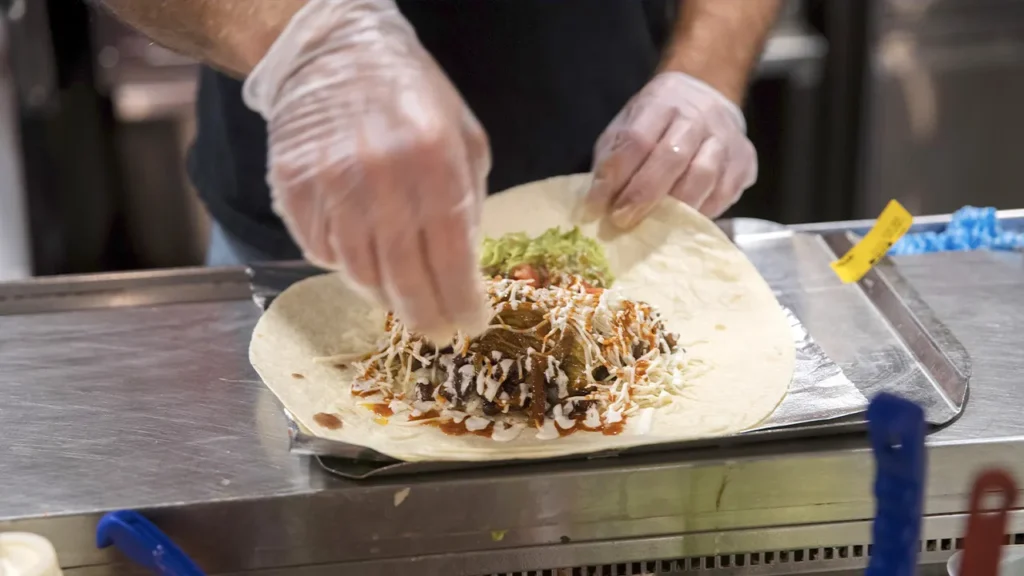
The escalating cost of everyday meals has become a flashpoint in American economic frustration, with consumers increasingly vocal about price increases on fast-casual items like burritos. This affordability crisis served as a key motivator in President Donald Trump’s 2024 election victory, yet prices continue climbing despite campaign promises of relief.
Federal debt now totals approximately $40 trillion, a figure that exceeds seven times the entire economy of Germany. The Federal Reserve’s monetary expansion during the COVID-19 pandemic, which added trillions to its balance sheet, has significantly eroded purchasing power across the country, according to economic analysts.
State and local governments have compounded inflation through policy decisions including minimum wage increases. When entry-level wages rise by mandate, compensation cascades upward through business structures based on hierarchical expectations rather than market productivity, forcing companies to raise prices to offset higher labor costs.
Beyond wage mandates, regulatory burdens including permitting requirements, sales taxes, and compliance standards have stifled business growth and consumer affordability. Housing, healthcare, education, and insurance costs have all surged as direct consequences of government intervention in various sectors.
Facing diminished economic prospects, younger Americans increasingly view organizations like the Democratic Socialists of America as potential remedies. Critics argue this represents a fundamental paradox, as these groups advocate for expanded government involvement—the same mechanism blamed for current economic hardship.
Both major political parties share responsibility for deficit spending that has undermined currency value. Without meaningful course correction toward reduced government expenditure and intervention, affordability pressures will intensify rather than ease.

More Stories
Colombia backs Trump security push while limiting U.S. role in anti-gang operations
Chicago Mayor Issues Executive Order Requiring Contractor Diversity Disclosures and ICE Ties Reporting
University of Pennsylvania Climate Scientist Demands Supreme Court Packing Pledge From Democratic Candidates