


💛 A quick favor, if you've got a second.
We're really happy that you chose to read one of our stories and sincerely hope you'll stick around to read more. We took our paywall down — for now — but that won't last forever, and when the gate goes back up, we'd love for you to already be on the inside.
It's free. So please enter your email here and don't forget to like and follow us on all of your favorite Social Media platforms!
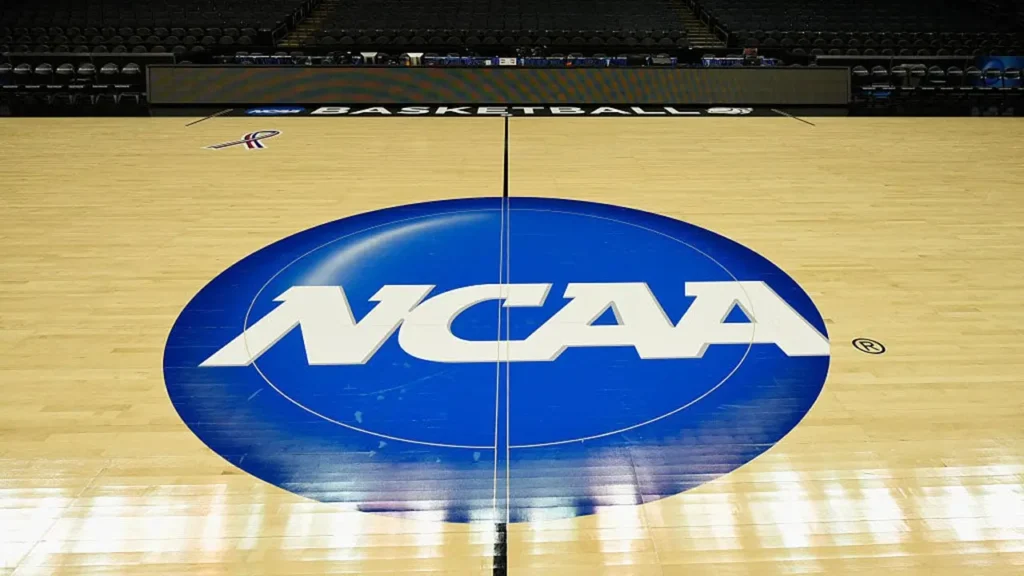
The NCAA is confronting a cascade of legal challenges across state and federal courts as athletes increasingly sue for additional years of eligibility, a crisis that legal experts say the organization could have easily averted. The governing body has been lobbying Congress to pass the Protect College Sports Act to shield itself from antitrust lawsuits, yet the immediate legal turmoil stems from a decision the NCAA made independently when it rolled out its new age-based eligibility model.
Under the new framework, athletes receive five years to compete in five seasons. However, the NCAA made a fateful choice to exclude the 2022 recruiting class from these benefits, creating what legal observers describe as an arbitrary and inequitable system. This exclusion has triggered dozens of civil suits filed by athletes arguing they deserve the same protections as those covered under the revised rules.
Had the NCAA implemented the five-year policy a year earlier or simply grandfathered in the 2022 class, legal experts contend the organization could have avoided its current predicament. Instead, lawyers and judges are now grappling with claims that certain athletes faced unfair treatment by being denied eligibility benefits available to their successors.
Ryan Downton, an attorney representing affected players including former Vanderbilt linebacker Langston Patterson, warned the NCAA of this exact scenario when Patterson filed suit in U.S. District Court for the Middle District of Tennessee. “We asked the NCAA to give everyone five years last year,” Downton told OutKick-FOX News. “They said no. Now they’ve done it, but excluded the athletes asking for the change.”
The consequences extend beyond courtrooms into the practical operations of college athletics. As fall camp approaches for the 2026 football season, rosters lack sufficient spots for athletes newly eligible to compete, while basketball teams scrambled to reserve openings for potential eligibility gains. The situation has created what coaches and administrators describe as unprecedented logistical complications.
U.S. District Judge Charlotte Sweeney in Colorado granted a sweeping injunction in the class action lawsuit Wisne v. NCAA, filed by former Northern Colorado basketball player Brock Wisne. The ruling provided a blanket waiver allowing athletes across multiple sports who retained eligibility under the 2022 class to compete in the current season, further complicating NCAA enforcement efforts.
Different court rulings have produced inconsistent outcomes. Athletes in Tennessee and Ohio gained transfer portal access through injunctions in those states, while Colorado plaintiffs received eligibility waivers without additional portal windows. Indiana’s Stephen Daley, a defensive lineman injured during the 2025 Big Ten championship celebration, was cleared to return for the 2026 season based on the Colorado ruling.
The NCAA faces a strategic bind: continuing to fight these lawsuits drains resources and generates negative publicity, yet capitulating would require admitting fault while managing thousands of newly eligible athletes with insufficient roster capacity. Legal observers note that even if Congress passes the Protect College Sports Act, sufficient antitrust protections may not materialize to shield the organization from future litigation.
Sam Ehrlich, an associate professor at Boise State’s College of Business and Economics, explained that judges have consistently sided with athletes’ arguments on eligibility grounds. “The law has already been winning on a lot of these eligibility rule cases, but judges are really resonating with the idea that these players in particular are being put in a bad spot,” Ehrlich told OutKick-FOX News, noting that judges prioritize equitable treatment among competitors.
The NCAA faces no clear endpoint to this legal saga, with attorneys indicating that future challenges regarding both eligibility and potential monetary damages are inevitable. Whether the organization will ultimately seek congressional protection or continue managing cases individually through the courts remains uncertain as litigation accelerates nationwide.

More Stories
Indiana coach Curt Cignetti tells restless Hoosiers fans not to gripe over 38-0 win
University of Pennsylvania Climate Scientist Demands Supreme Court Packing Pledge From Democratic Candidates
Missouri Division II Football Player Dies Following On-Field Medical Emergency