



💛 A quick favor, if you've got a second.
We're really happy that you chose to read one of our stories and sincerely hope you'll stick around to read more. We took our paywall down — for now — but that won't last forever, and when the gate goes back up, we'd love for you to already be on the inside.
It's free. So please enter your email here and don't forget to like and follow us on all of your favorite Social Media platforms!
A recent policy shift by U.S. Citizenship and Immigration Services has sparked concern among immigration attorneys and advocates about the capacity of the nation’s court system to handle a surge in asylum cases. The Department of Homeland Security implemented the rule change to reduce application backlogs by allowing USCIS to refer cases directly to immigration judges without conducting initial interviews with applicants. Immigration attorney Lourna Rosembert-Joseph stated she doubts the system possesses sufficient capacity to manage this new workflow.
Previously, asylum seekers would file applications, undergo biometric processing, and attend interviews with USCIS officers who could approve cases meeting credible fear standards before reaching court. Under the new procedure, officers no longer make approval decisions, forcing judges to evaluate every case. Rosembert-Joseph characterized the change as problematic, noting it shifts responsibility entirely to an already strained judicial system.
Immigration judges currently manage heavy caseloads with master hearings lasting approximately five minutes each, according to Rosembert-Joseph. She expressed concern that removing the USCIS approval stage would exacerbate existing backlogs rather than resolve them, placing additional pressure on judges to render sound decisions under impossible time constraints. The attorney warned that inadequate attention to individual cases could result from system overload.
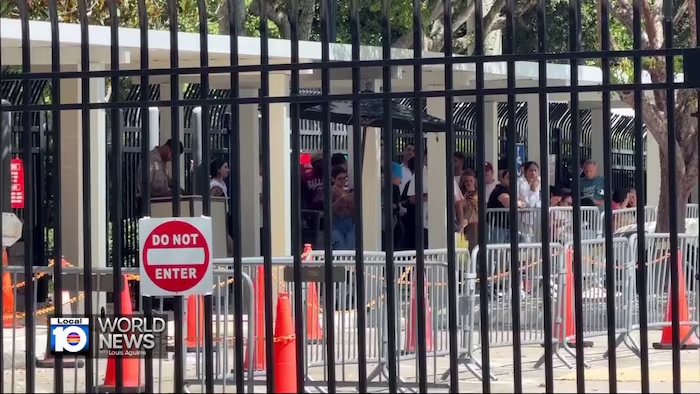
The timing of this rule coincides with heightened detention activity at ICE facilities, including the Enforcement and Removal Operations field office in Miramar, Florida. Community activists and Democratic U.S. Representative Debbie Wasserman Schultz have documented overcrowding at the facility, which was designed as an administrative checkpoint but now functions as a short-term detention center holding people for 72 hours or longer.
Advocates report detentions increasing among individuals with pending immigration cases or temporary protected status. The American Friends Service Committee noted detainees lack basic hygiene facilities and are being apprehended during routine activities. The convergence of expedited asylum processing and expanded detention operations raises questions about the government’s ability to manage immigration enforcement fairly and efficiently.


More Stories
Former NFL cheerleader and ex-aide face off in close Rhode Island GOP primary
Trump Threatens FCC Action Against NBC’s Welker Over Endorsement Coverage
Chicago Mayor Issues Executive Order Requiring Contractor Diversity Disclosures and ICE Ties Reporting