


💛 A quick favor, if you've got a second.
We're really happy that you chose to read one of our stories and sincerely hope you'll stick around to read more. We took our paywall down — for now — but that won't last forever, and when the gate goes back up, we'd love for you to already be on the inside.
It's free. So please enter your email here and don't forget to like and follow us on all of your favorite Social Media platforms!
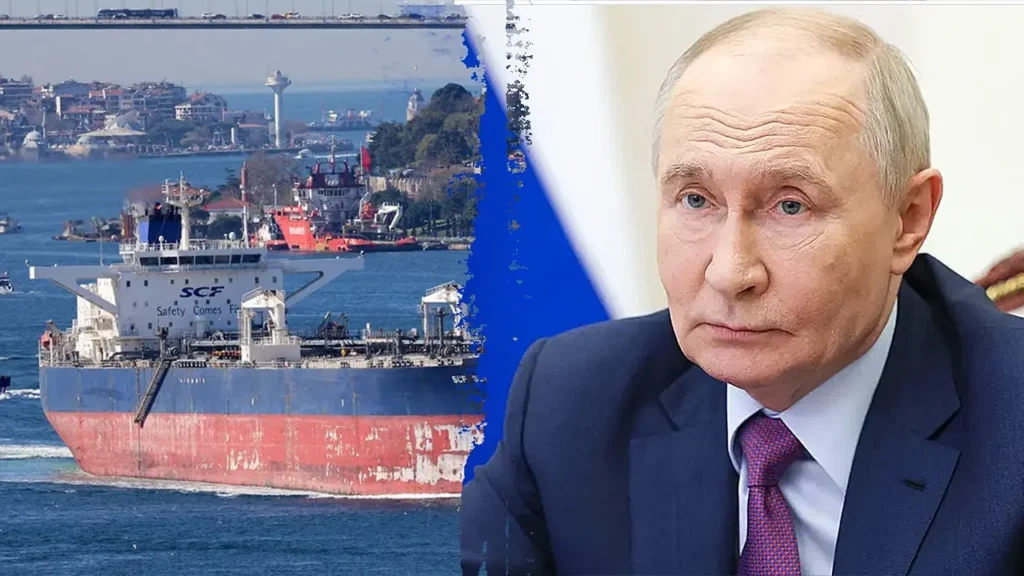
The Senator Lindsey O. Graham Sanctioning Russia Act of 2026 represents Washington’s continued disconnect from ordinary Americans struggling with economic hardship, according to Republican Senator Rand Paul. The measure targets Russia’s ongoing war in Ukraine, now in its fifth year, but Paul contends the legislation functions primarily as a tariff bill that would harm domestic consumers rather than compel Vladimir Putin to change course.
If enacted, the Graham bill would impose a 500 percent tariff on all U.S. trade with Russia and grant presidential authority to implement tariffs as high as 100 percent on goods imported from the world’s five largest purchasers of Russian energy. Paul estimates the measure would represent the largest tax increase ever passed by a Republican-controlled Congress, costing Americans approximately half a trillion dollars.
The legislation would affect trade with China, India, Japan, Azerbaijan, France, Hungary, Belgium, and Slovakia — nations collectively representing nearly 40 percent of global population. The list of penalized countries could shift every 180 days, potentially ensnaring U.S. allies including Turkey, Brazil, South Korea, and European Union members that purchase Russian energy out of economic necessity.
American companies importing goods from targeted nations would shoulder the tariff burden and pass increased costs to consumers, Paul explained. Companies such as Walmart, Costco, Home Depot, Target, General Motors, and UPS have already sought billions in refunds following the Supreme Court’s invalidation of emergency tariffs, demonstrating how tariffs function as consumer taxes rather than measures against foreign producers.
The United States imported over $308 billion worth of goods from China and more than $103 billion from India during 2025, Paul noted. Imposing 100 percent tariffs on these critical trade partners would devastate purchasing power for low- and middle-income Americans buying essentials such as vehicle parts, children’s clothing, and household goods.
Paul questioned the practical feasibility of tariffing individual European Union members, as the bloc negotiates trade collectively. Unilateral U.S. tariffs on Slovakia and Hungary could trigger unified EU retaliation against American goods, potentially destabilizing the $1 trillion bilateral trade relationship established in 2025.
The bill also imposes additional sanctions on Russian officials and companies despite Russia already facing over 26,000 existing sanctions with no demonstrable impact on Kremlin policy. The legislation would grant the president unilateral authority to sanction any foreign person deemed to undermine Ukraine, raising concerns about potential misuse against U.S. allies.
The measure prevents future presidents from unilaterally removing imposed tariffs and sanctions but contains no mechanism for Congress to rescind such powers itself. Paul warned this framework could persist indefinitely and be exploited by administrations yet to come, potentially damaging American diplomatic relationships globally and driving strategic partners like India toward alignment with China.

More Stories
Colombia backs Trump security push while limiting U.S. role in anti-gang operations
Chicago Mayor Issues Executive Order Requiring Contractor Diversity Disclosures and ICE Ties Reporting
University of Pennsylvania Climate Scientist Demands Supreme Court Packing Pledge From Democratic Candidates