

💛 A quick favor, if you've got a second.
We're really happy that you chose to read one of our stories and sincerely hope you'll stick around to read more. We took our paywall down — for now — but that won't last forever, and when the gate goes back up, we'd love for you to already be on the inside.
It's free. So please enter your email here and don't forget to like and follow us on all of your favorite Social Media platforms!
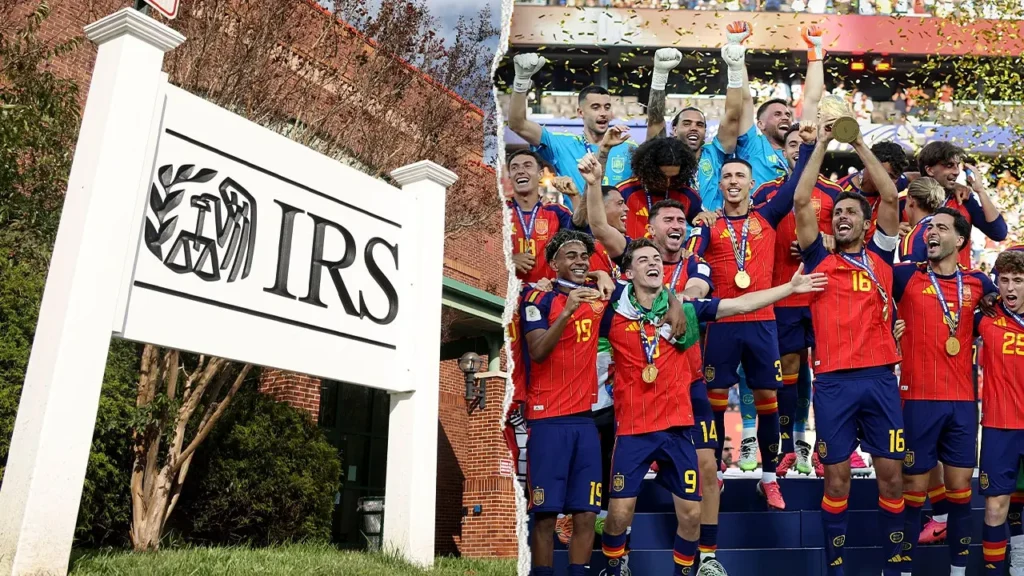
Spain’s $50 million prize for winning the 2026 FIFA World Cup faces significant federal taxation in the United States, with up to 30% potentially owed to the IRS under current law. The prize pool distributed among World Cup participants totaled $871 million, with $655 million allocated based on tournament performance. Any team that competed in games held on U.S. soil will have earnings subject to taxation at varying rates.
Rep. Tim Burchett, R-Tenn., characterized the tax burden as counterproductive to the nation’s international standing. He argued that subjecting foreign athletes to steep tax obligations contradicts efforts to attract major sporting events and encourage international visitors to spend money domestically. Burchett emphasized that while American professional athletes navigate similar tax requirements, the approach sends the wrong message as the U.S. prepares to host additional international competitions.
Under federal tax law, payments to nonresident foreign athletes are generally subject to a 30% withholding rate unless reduced through tax treaties or specific exceptions. Income derived from activities conducted within American borders falls under IRS jurisdiction in nearly all circumstances.
Rep. Jonathan Jackson, D-Ill., criticized the tax structure as emblematic of broader systemic problems in the U.S. tax code. Jackson argued that corporations and wealthy entities exploit tax loopholes while workers bear disproportionate burdens, characterizing the World Cup taxation as a revealing example of inequitable policy.
Rep. Burgess Owens, R-Utah, a retired NFL player, agreed the 30% rate was excessive while expressing enthusiasm for soccer’s growing popularity in America following the World Cup. He credited the tournament’s success to administration efforts and predicted expanded youth participation in the sport.

More Stories
Federal voting arrest in New Jersey adds new pressure point in Sherrill-Trump standoff
Colombia backs Trump security push while limiting U.S. role in anti-gang operations
Former NFL cheerleader and ex-aide face off in close Rhode Island GOP primary