



 Written by Chief Political Correspondent Dorian Lassiter
WASHINGTON — White House Chief of Staff Susie Wiles, one of the most influential figures in President Donald Trump’s administration and the first woman to hold the position in U.S. history, has been diagnosed with early-stage breast cancer but plans to continue carrying out her duties while undergoing treatment, according to statements released Monday by both Wiles and the president.
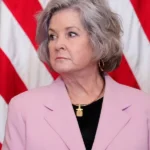
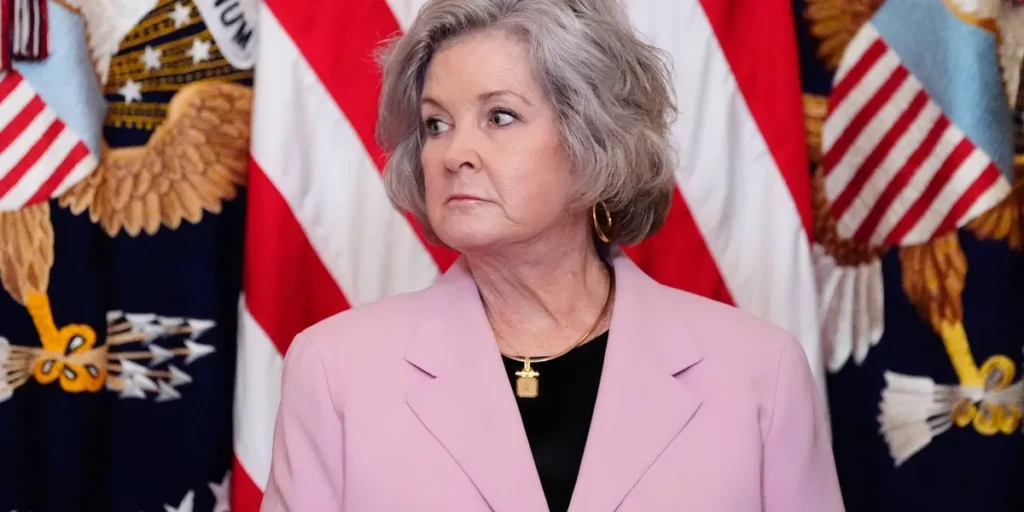
The announcement came in a message from President Trump posted on Truth Social, where he described Wiles as a trusted adviser and emphasized that doctors expect a strong recovery. Trump said Wiles would remain actively engaged in her role and spend “virtually full time at the White House” while undergoing treatment, praising her resilience and commitment to the job. Moments after the announcement, Wiles appeared alongside the president at a White House event in the East Room, wearing a pink blazer widely associated with breast cancer awareness. Attendees reportedly greeted her with supportive remarks and embraces as the administration sought to project stability following the disclosure. In a written statement, Wiles confirmed the diagnosis and stressed that the cancer had been detected early. She framed her situation within the broader context of a disease that affects millions of American women each year.
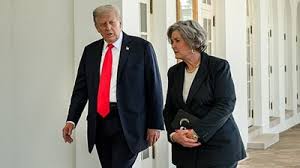
“Nearly one in eight women in the United States will face this diagnosis,” Wiles said. “Every day these women continue to raise their families, go to work, and serve their communities with strength and determination. I now join their ranks.”
The 68-year-old political strategist added that she is receiving treatment from what she described as an “outstanding team of doctors” and said early detection has contributed to an encouraging prognosis. Breast cancer remains one of the most common cancers affecting women in the United States. According to estimates cited by health organizations and medical researchers, more than 300,000 new cases of invasive breast cancer are expected to be diagnosed nationwide this year. Early detection, often through routine screening such as mammography, significantly improves survival rates and treatment outcomes. Wiles’ decision to continue working during treatment reflects a reality shared by many patients managing demanding careers while undergoing medical care. In her statement, she acknowledged that millions of women continue to maintain professional and family responsibilities even while confronting serious health challenges.
Within the Trump administration, Wiles has emerged as a central figure credited with bringing greater discipline and organizational structure to the White House following Trump’s return to office in 2025. Political allies frequently describe her as one of the president’s most trusted advisers and a stabilizing force within his inner circle. Her influence extends well beyond the West Wing. Wiles played a decisive role in Trump’s political resurgence during the 2024 presidential election, serving as campaign manager for what supporters called a dramatic comeback victory after a turbulent political period marked by legal battles and intense primary challenges. Before her rise to national prominence, Wiles built a reputation in Florida politics, where she advised numerous Republican campaigns and officeholders. Her career also included service in the Reagan administration as a junior staff member, followed by decades of political consulting and strategic communications work.
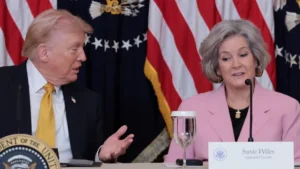
Colleagues in Washington describe Wiles as a low-profile but highly effective political operator who typically works behind the scenes rather than seeking public attention. Her management style has often been contrasted with the more turbulent relationships Trump experienced with several chiefs of staff during his first presidential term. The diagnosis arrives at a time of significant political pressure in Washington, with the administration navigating international tensions, economic concerns, and domestic policy disputes. Despite those challenges, the White House has emphasized that Wiles intends to remain actively involved in day-to-day operations.
Trump, in his statement, underscored that confidence, saying both he and former First Lady Melania Trump stand behind Wiles during her treatment. “Susie is one of the strongest people I know,” the president wrote, expressing optimism that she will recover fully and continue playing a central role in the administration’s agenda. For now, Wiles’ message to colleagues and the public appears clear: the diagnosis may have introduced a personal health challenge, but it will not sideline her from the responsibilities she has spent decades preparing to carry out. And in a political environment where continuity often matters as much as policy, her determination to remain at the helm of the White House staff underscores both the personal and professional stakes surrounding the diagnosis.



More Stories
BREAKING: Dallas Police Kill Security Contractor Linked to Rep. Jasmine Crockett After Armed Standoff
WAR – US & Israeli missiles blanket Iran as prelude to regime change