




 Written by Chief Historical Correspondent Harlan Contangelo
Long before it became a marketing sensation splashed across snack foods, vodka bottles, and restaurant menus, Old Bay seasoning was born out of desperation, survival, and the immigrant story that helped shape much of America’s culinary landscape.
For millions of Americans, particularly across the Mid-Atlantic, the distinctive yellow can is synonymous with summer seafood feasts, backyard cookouts, and the ritual of cracking open steamed blue crabs. But behind the familiar spice blend lies a dramatic origin story tied to World War II, forced migration, and a small Baltim
ore spice grinder that helped launch one of the most recognizable seasoning brands in the country.
The story begins in Germany during the late 1930s. Gustav Brunn, a Jewish spice merchant from Wertheim, Germany, had built a successful business supplying seasoning blends to sausage makers and food producers. As the Nazi regime tightened its grip across the country, antisemitic laws and violence quickly dismantled Jewish-owned enterprises. Brunn’s business was destroyed during the events surrounding Kristallnacht in 1938, when Jewish homes, businesses, and synagogues were attacked across Nazi Germany. Brunn himself was arrested and sent to the Buchenwald concentration camp before his family secured his release through legal intervention and payment to authorities.
With little time and few resources, the Brunn family fled Germany. Among the few items Gustav insisted on bringing with him was a hand-cranked spice grinder — a small but critical piece of equipment that would soon become the foundation of a new life in America. The family arrived in Baltimore in 1939, joining relatives and entering a city already deeply connected to the spice trade and seafood industry. At first, Brunn struggled to find steady work. He briefly took a job with a local spice company but soon decided to strike out on his own. With borrowed funds and that single grinder, he opened the Baltimore Spice Company in a modest workspace near Baltimore’s bustling wholesale fish market.
The location would prove crucial.

Across the street, fishmongers and crab dealers were experimenting with homemade blends of spices used to season steamed crabs and shrimp, a staple of Chesapeake Bay cuisine. Brunn watched closely as vendors purchased small quantities of individual spices to mix their own recipes. The veteran spice merchant saw an opportunity. Rather than selling separate ingredients, Brunn began experimenting with his own proprietary blend. The result was a mixture of herbs and spices anchored by celery salt, paprika, red pepper, and black pepper, along with more than a dozen additional ingredients designed to create a distinctive flavor profile that would be difficult for competitors to replicate.
The seasoning was originally marketed under the straightforward name “Delicious Brand Shrimp and Crab Seasoning.” Eventually, it was renamed Old Bay, inspired by the Old Bay Line passenger steamships that once traveled the Chesapeake between Baltimore and Norfolk. What began as a small operation mixing spices by hand soon became a regional culinary phenomenon. By the 1940s and 1950s, Old Bay had become inseparable from the tradition of Maryland crab feasts, where bushels of steamed blue crabs are piled high on newspaper-covered tables and heavily dusted with the bright orange seasoning. The product’s popularity spread across Maryland, Virginia, and the broader Mid-Atlantic region, eventually becoming a staple in restaurants, seafood markets, and household kitchens.
The Baltimore Spice Company remained a family operation for decades. Brunn’s son Ralph later took over the business, continuing to expand production and distribution while maintaining the original recipe that had made the brand famous. The seasoning’s distinctive yellow tin became a recognizable symbol across seafood markets and grocery shelves. In 1990, the global spice giant McCormick & Company acquired the Old Bay brand and its recipe, bringing the seasoning into a much larger international distribution network. Under McCormick’s ownership, Old Bay evolved from a regional specialty into a national product. Today the blend is used not only on crab and shrimp but on everything from French fries and popcorn to fried chicken and deviled eggs.
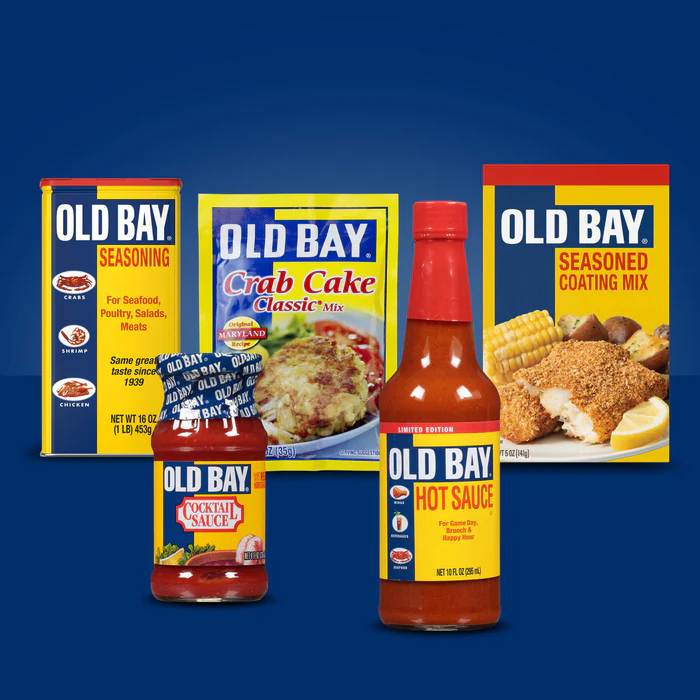
In recent years, the brand’s popularity has expanded even further through marketing partnerships and novelty products. Old Bay-flavored potato chips, hot sauce, snack crackers, and even vodka have appeared on store shelves, often selling out quickly when released. The once humble seafood seasoning has grown into a cultural icon associated with summer gatherings and coastal cuisine. Yet the remarkable journey of Old Bay remains rooted in a far more personal story — that of a refugee who arrived in America with little more than determination and a single spice grinder.
More than eighty years after Gustav Brunn rebuilt his life in Baltimore, the seasoning he created continues to flavor kitchens across the country, a quiet reminder that some of America’s most enduring traditions began not in boardrooms or laboratories, but in the hands of immigrants determined to start over.


More Stories