


💛 A quick favor, if you've got a second.
We're really happy that you chose to read one of our stories and sincerely hope you'll stick around to read more. We took our paywall down — for now — but that won't last forever, and when the gate goes back up, we'd love for you to already be on the inside.
It's free. So please enter your email here and don't forget to like and follow us on all of your favorite Social Media platforms!
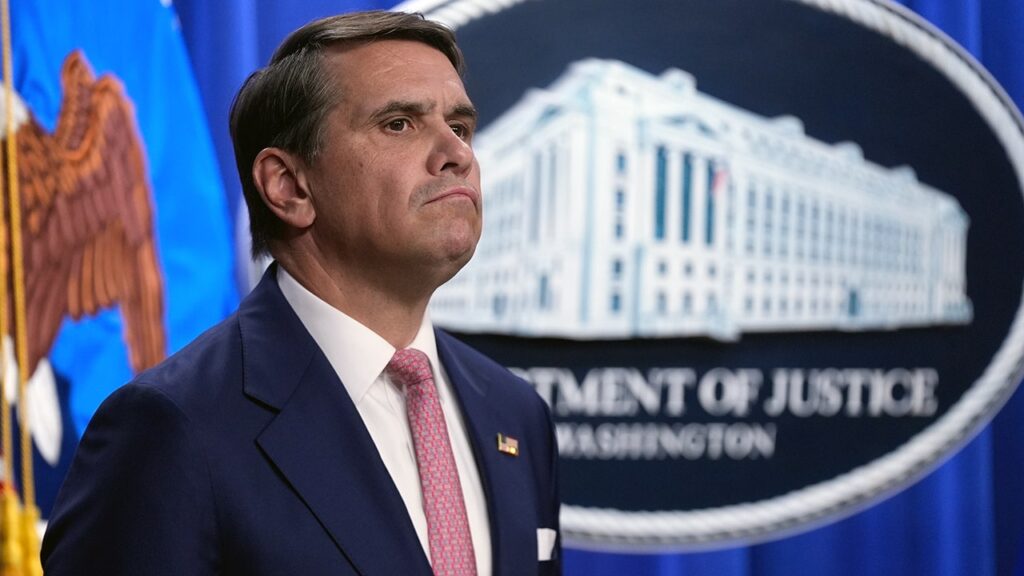
A federal judge’s decision to refer Trump administration attorneys to state bar associations for potential disciplinary action has drawn sharp criticism from legal scholars across the political spectrum. The move by U.S. District Judge Kathleen Williams has reignited debate over whether judges should possess authority to initiate bar complaints based on litigation conduct.
Williams, appointed to the bench in 2011 by President Barack Obama, formally submitted Trump lawyer Alejandro Brito to the Florida Bar on Monday. The referral also directed her ruling to disciplinary bodies already investigating complaints against Acting Attorney General Todd Blanche and Associate Attorney General Stanley Woodward.
At issue was a settlement agreement shielding Trump, his family, and business entities from certain federal tax investigations. The judge determined the underlying lawsuit lacked legal merit and was pursued in bad faith, justifying her disciplinary referrals.
Constitutional law professor Christian Lee Gonzalez-Rivera of a Florida Catholic university told Fox News Digital he could not in good conscience teach students that such judicial discipline was proper or ethical. He warned the approach would penalize attorneys for advancing debatable legal positions in novel cases.
Gonzalez-Rivera argued that subjecting lawyers to license suspension or revocation based on case outcomes would fundamentally undermine the legal profession. He suggested higher courts should reassess judicial doctrines governing jurisdiction and standing that he characterized as mechanisms of judicial power.
Allegations against Blanche include mishandling evidence in an investigation involving Jeffrey Epstein, weaponizing the Justice Department against Trump’s political opponents, and failing to protect American interests during settlement talks that created a $1.8 billion victim compensation fund.
Woodward faces separate complaints concerning his approval of the compensation fund and alleged conflicts of interest stemming from his prior representation of January 6 defendants and Trump associates who could potentially benefit from the fund.
Jeffrey Clark, a former Justice Department attorney now with a conservative advocacy group, warned that normalizing judicial disciplinary referrals could deter qualified Republicans from government service. He cautioned that state bar associations could become instruments of political control if judges routinely initiated complaints against opposing attorneys.
Jay Town, former United States Attorney for the Northern District of Alabama, characterized the judge’s actions as politically motivated rather than grounded in legitimate ethical concerns. Conservative attorney Mike Davis has urged the 11th Circuit Court of Appeals to overturn Williams’s ruling, with critics noting the referral’s timing preceding Blanche’s attorney general confirmation hearing.

More Stories
Federal voting arrest in New Jersey adds new pressure point in Sherrill-Trump standoff
Colombia backs Trump security push while limiting U.S. role in anti-gang operations
Former NFL cheerleader and ex-aide face off in close Rhode Island GOP primary