



💛 A quick favor, if you've got a second.
We're really happy that you chose to read one of our stories and sincerely hope you'll stick around to read more. We took our paywall down — for now — but that won't last forever, and when the gate goes back up, we'd love for you to already be on the inside.
It's free. So please enter your email here and don't forget to like and follow us on all of your favorite Social Media platforms!
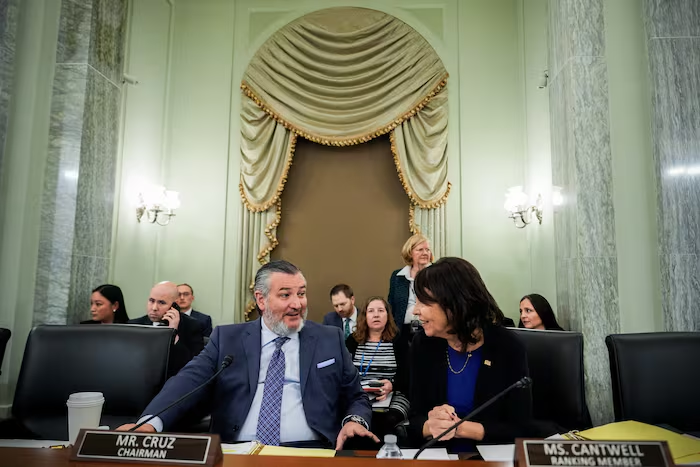
Lawmakers continued negotiations Wednesday with leadership from the Southeastern and Big Ten Conferences to iron out disagreements on a sweeping college sports regulatory measure. Sponsors of the legislation are racing against the calendar to secure a Senate vote before August 7, when the chamber begins its summer break and will not return until mid-September.
Sen. Ted Cruz, R-Texas, and co-sponsor Sen. Maria Cantwell, D-Wash., are leading the push to bring the Protect College Sports Act to a floor vote. The compressed timeline leaves little opportunity for action once lawmakers return, with October off and the November midterm elections approaching.
Draft documents circulated during negotiations center on a proposed $20 million-plus player retention fund that would effectively double the current revenue-sharing cap of $21.3 million for the academic year. The conferences are demanding clarity on whether this expansion would affect rules governing third-party payments to athletes, widely considered a driver of rising roster expenses.
A critical unresolved question involves compatibility with a $2.8 billion House settlement that governs revenue distribution rules. Plaintiffs’ attorney Jeffrey Kessler indicated he must review specific language before determining whether proposed changes would violate settlement terms.
Notably absent from the draft concessions are revisions addressing antitrust protections and state law preemption—issues the SEC, Big Ten, and NCAA have repeatedly identified as essential. The conferences submitted a separate 10-point improvement proposal earlier this month, with antitrust matters and preemption occupying three of those priority positions.
Other negotiated adjustments include increased flexibility for Olympic and women’s sports program requirements and relaxed conference expansion language allowing leagues to grow to 19 teams. Provisions restricting private equity involvement in forming super leagues have been drafted but may face additional refinement.


More Stories
Former NFL cheerleader and ex-aide face off in close Rhode Island GOP primary
Trump Threatens FCC Action Against NBC’s Welker Over Endorsement Coverage
Chicago Mayor Issues Executive Order Requiring Contractor Diversity Disclosures and ICE Ties Reporting