


💛 A quick favor, if you've got a second.
We're really happy that you chose to read one of our stories and sincerely hope you'll stick around to read more. We took our paywall down — for now — but that won't last forever, and when the gate goes back up, we'd love for you to already be on the inside.
It's free. So please enter your email here and don't forget to like and follow us on all of your favorite Social Media platforms!
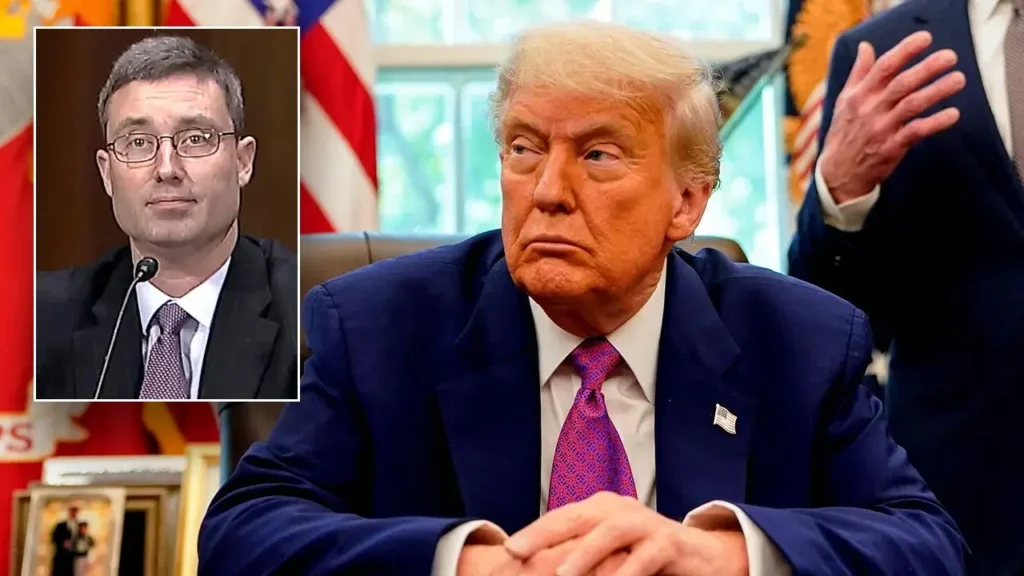
U.S. District Judge Brian Murphy in Massachusetts issued an administrative stay Friday that temporarily preserves Temporary Protected Status for Ethiopian nationals, marking the second such judicial intervention in the state against the Trump administration’s termination efforts. The decision came despite a June Supreme Court ruling that significantly curtailed lower courts’ ability to block Department of Homeland Security determinations regarding TPS designations. Murphy’s order allows plaintiffs in African Communities Together v. Mullin to pursue potential constitutional claims following the high court’s decision in Mullin v. Doe.
DHS General Counsel James Percival responded sharply to Murphy’s ruling, accusing the judge of “mutiny” against the Supreme Court and reviving earlier criticisms regarding a May 2025 order that halted a deportation flight to South Sudan. Percival stated the previous decision stranded ICE officers at a U.S. military base in Djibouti and exposed them to malaria risks and potential rocket attacks from terrorist groups in Yemen. The legal official posted on social media comparing Murphy’s latest TPS order to what he characterized as the judge’s prior disregard for deportation procedures.
The Ethiopia TPS dispute originated when then-DHS Secretary Kristi Noem determined in December 2025 that conditions no longer justified the protected status and announced its termination after a 60-day wind-down period ending February 13, 2026. Murphy initially sided with challengers by postponing the termination after finding they would likely succeed on claims the agency failed to follow congressional procedures for ending TPS. The Supreme Court’s June ruling undermined the Administrative Procedure Act foundation of the plaintiffs’ case, prompting them to refocus their legal strategy on constitutional arguments.
Senior U.S. District Judge Patti Saris issued a similar administrative stay the same day for South Sudan TPS protections, also brought by African Communities Together. Conservative legal figures called for the Trump administration to disregard the lower court orders, arguing the Supreme Court had definitively resolved the matter and judges lack authority to intervene. The Biden administration originally granted Ethiopians TPS in 2022, citing armed conflict and humanitarian concerns, with approximately 26,700 nationals estimated to qualify for protections.

More Stories
Federal voting arrest in New Jersey adds new pressure point in Sherrill-Trump standoff
Colombia backs Trump security push while limiting U.S. role in anti-gang operations
Former NFL cheerleader and ex-aide face off in close Rhode Island GOP primary