


💛 A quick favor, if you've got a second.
We're really happy that you chose to read one of our stories and sincerely hope you'll stick around to read more. We took our paywall down — for now — but that won't last forever, and when the gate goes back up, we'd love for you to already be on the inside.
It's free. So please enter your email here and don't forget to like and follow us on all of your favorite Social Media platforms!
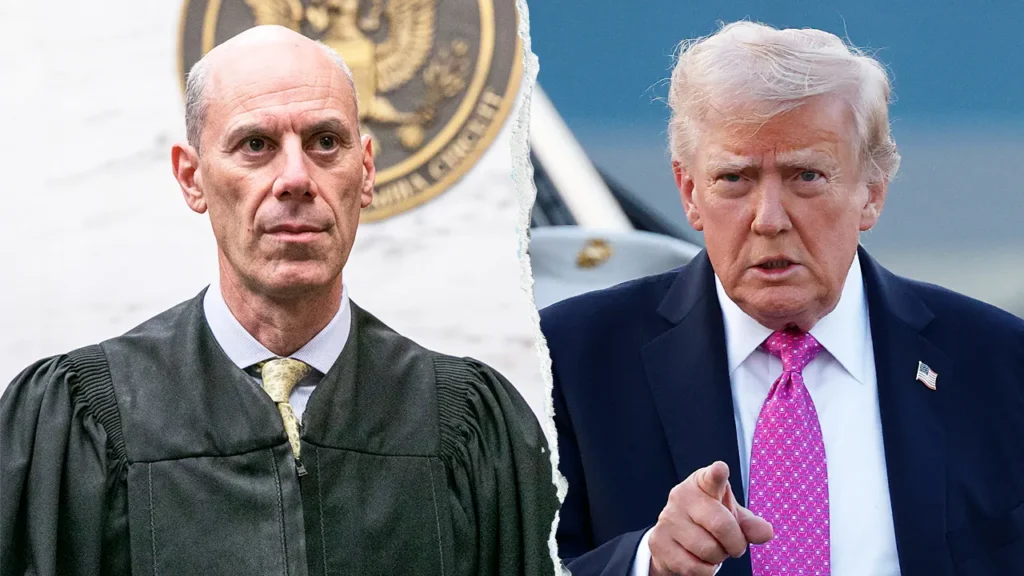
The Trump administration has filed the first application in the Alien Terrorist Removal Court’s 30-year history, seeking to remove an unidentified individual suspected of terrorism through a specialized legal process. The Justice Department submitted the one-page sealed petition on July 15, marking an unprecedented attempt to utilize the obscure court that has never previously handled a case since Congress established it in 1996.
A Justice Department spokesman stated the administration intends to deploy all available legal mechanisms to prosecute and expel foreign nationals suspected of terrorism, including this congressionally created court. The move signals potential revival of what legal experts have termed a “zombie” institution as a novel enforcement tool for national security deportations.
Chief U.S. District Judge James Boasberg in Washington suggested the court as an alternative pathway during a March hearing challenging the administration’s invocation of the Alien Enemies Act in deportation cases. Boasberg had questioned whether the Alien Terrorist Removal Court might address national security concerns while handling alleged Venezuelan gang members slated for removal.
ATRC Chief Judge Joan N. Erickson, a George W. Bush appointee, requested additional documentation from Justice Department officials before proceeding. The sealed application omitted the respondent’s identity, alleged misconduct, and the specific legal statute invoked, prompting Erickson to order supplemental materials by Wednesday.
President Bill Clinton signed the enabling legislation in 1996, allowing expedited removal based on classified evidence withheld from respondents. The court operates with five federal district judges serving staggered five-year terms and permits the government to provide unclassified summaries instead of classified evidence.
Hans von Spakovsky, a senior legal fellow at Advancing American Freedom, characterized prior administrations’ failure to use the court as negligence. He argued the specialized procedure represents a stronger enforcement tool less vulnerable to judicial interference than conventional immigration proceedings.
Historical records show the 9/11 Commission identified approximately 100 cases reviewed by Department of Justice attorneys between 1998 and 2000, though all were rejected. Terrorism-related deportations subsequently proceeded through standard immigration court channels instead.
Then-Senator Joe Biden opposed the 1996 law during debate, calling secret evidence procedures fundamentally un-American. The new application arrives as federal judges have repeatedly blocked, delayed, or limited key components of the Trump administration’s immigration enforcement agenda.

More Stories
Federal voting arrest in New Jersey adds new pressure point in Sherrill-Trump standoff
Colombia backs Trump security push while limiting U.S. role in anti-gang operations
Former NFL cheerleader and ex-aide face off in close Rhode Island GOP primary