


💛 A quick favor, if you've got a second.
We're really happy that you chose to read one of our stories and sincerely hope you'll stick around to read more. We took our paywall down — for now — but that won't last forever, and when the gate goes back up, we'd love for you to already be on the inside.
It's free. So please enter your email here and don't forget to like and follow us on all of your favorite Social Media platforms!
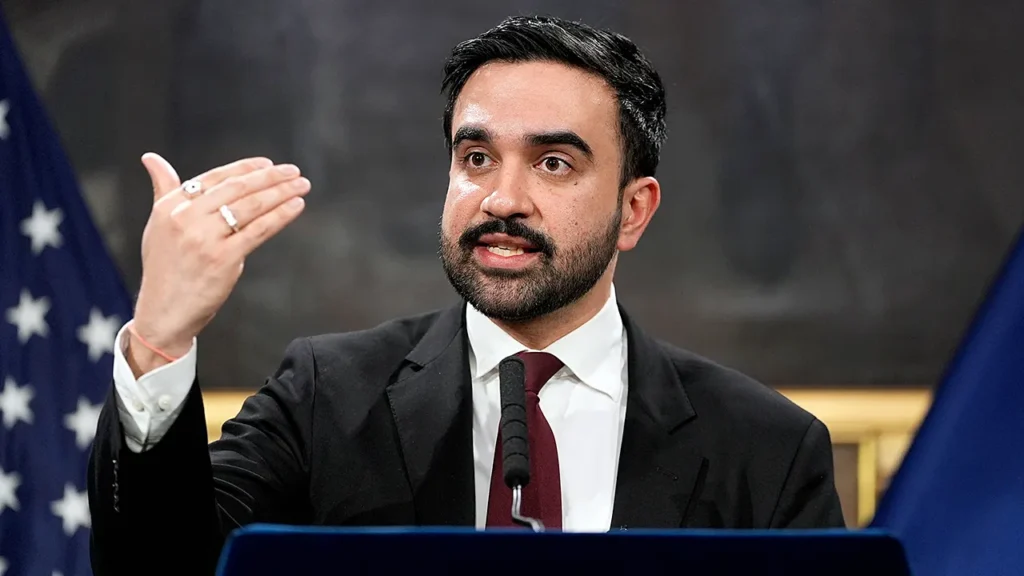
The economic principles articulated by Ibn Khaldun in his 1377 work, the Muqaddimah, provide a historical framework for evaluating contemporary policy decisions. Khaldun’s systematic analysis of taxation, commerce, and state decline emerged from his observations of dynasties across North Africa and the Near East. His insights into how heavy taxation and direct government commercial activity undermine economic productivity remain relevant today.
New York City Mayor Zohran Mamdani has proposed establishing city-owned grocery stores across the five boroughs, with the first location slated to open in the Bronx by 2027. The municipal government would own the underlying real estate, finance construction costs running into the tens of millions of dollars, waive rent and property taxes, and subsidize a selection of staple foods to sell approximately 30 percent below market prices. A private operator would manage daily operations within parameters set by city officials regarding pricing and labor standards.
Khaldun’s analysis directly addresses this model. His writings describe a cyclical pattern: rulers begin with low taxes that encourage business activity and generate robust revenue, but over time, demand for luxury and military expansion drives tax rates upward. As business profits shrink relative to tax obligations, merchants lose incentive to produce, capital flees, and governments increasingly turn to direct commercial participation and monopolies. This intervention further discourages private enterprise, accelerates capital flight, and ultimately collapses the tax base.
The medieval economist warned explicitly against such state involvement in commerce. His central thesis held that government finances improve only through equitable taxation that allows productive classes to retain sufficient resources. State engagement in agriculture or commerce, he contended, harms subjects, diminishes revenues, and reduces cultural vitality.
Applied to New York’s circumstances, this historical precedent suggests potential consequences. Private grocers unable to compete with subsidized municipal stores would face declining margins. The city’s fiscal obligations would expand, requiring taxpayers to absorb mounting costs. The fundamental incentive structure that generates private commercial activity—and the tax revenue supporting municipal services—would deteriorate further.
Khaldun’s remedy emphasized maintaining tax burdens low enough to preserve productive incentive. Modern supply-side economic thought rests on comparable foundations. The proposed grocery intervention moves in the opposite direction, potentially accelerating the very dynamics that have eroded New York’s competitive position and driven businesses to relocate.

More Stories
Federal voting arrest in New Jersey adds new pressure point in Sherrill-Trump standoff
Colombia backs Trump security push while limiting U.S. role in anti-gang operations
Former NFL cheerleader and ex-aide face off in close Rhode Island GOP primary