


💛 A quick favor, if you've got a second.
We're really happy that you chose to read one of our stories and sincerely hope you'll stick around to read more. We took our paywall down — for now — but that won't last forever, and when the gate goes back up, we'd love for you to already be on the inside.
It's free. So please enter your email here and don't forget to like and follow us on all of your favorite Social Media platforms!
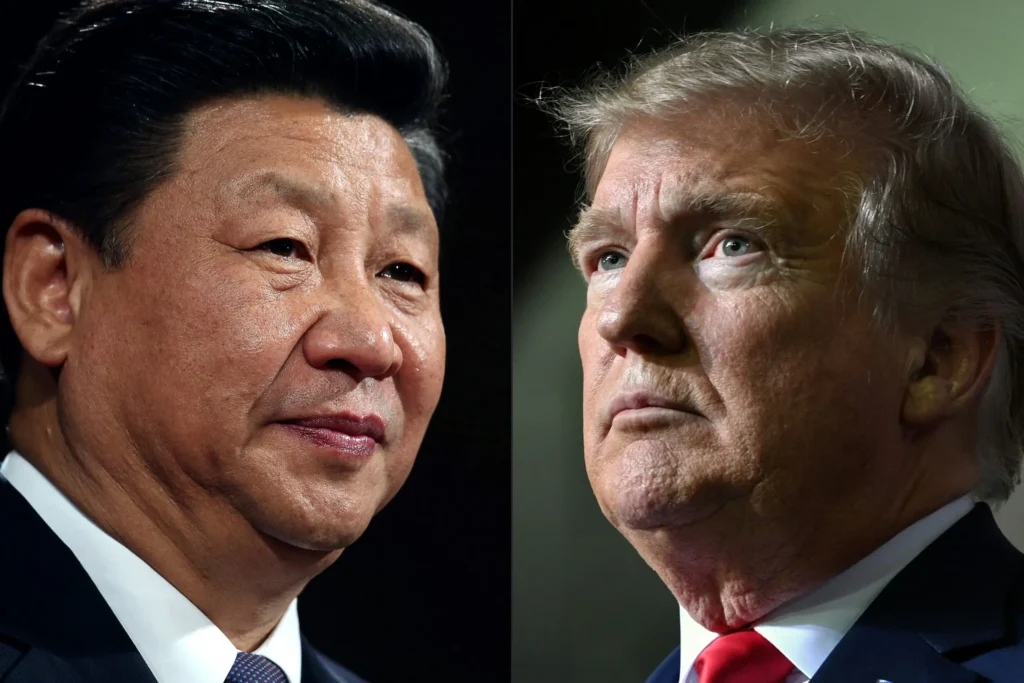
The White House unveiled a comprehensive report Thursday documenting how foreign exporters systematically reroute merchandise through intermediary nations to circumvent American tariffs. The 25-page analysis, called “The Great Transshipment Scam,” was prepared by the White House Office of Trade and Manufacturing Policy under the direction of trade adviser Peter Navarro and identifies more than 40 countries engaged in the practice at varying risk levels.
Transshipment operations allow exporters to mask a product’s true country of origin by channeling shipments through third nations where minimal processing, repackaging, relabeling or documentation alterations create the appearance of different sourcing. China, Panama, Mexico, Colombia, Brazil, Argentina, Chile, Peru, Costa Rica and the Dominican Republic represent nations of particular concern, according to the White House assessment.
The report attributes China as offering the most established historical precedent for transshipment networks. After the Trump administration imposed Section 301 tariffs on Chinese goods in 2018, direct trade deficits declined in 2019 and 2020 as Chinese exporters increasingly redirected shipments through third-country hubs equipped with free-trade zones, bonded warehouses and re-export infrastructure.
Treasury revenue losses from tariff-avoiding transshipment range between $19 billion and $26 billion annually, according to White House estimates, though broader government and private-sector calculations suggest the transshipped goods value spans from $34.2 billion to $303 billion yearly. Navarro stated that countries including India could similarly exploit transshipment mechanisms and that forthcoming trade frameworks will incorporate penalties for nations facilitating the practice.
U.S. Customs and Border Protection has initiated an artificial intelligence prototype program designed to identify transshipment activities, Navarro disclosed. Importers determined to have falsified product origins face retroactive tariff assessments spanning approximately one year, creating financial consequences for violators.

More Stories
Colombia backs Trump security push while limiting U.S. role in anti-gang operations
Chicago Mayor Issues Executive Order Requiring Contractor Diversity Disclosures and ICE Ties Reporting
University of Pennsylvania Climate Scientist Demands Supreme Court Packing Pledge From Democratic Candidates