

💛 A quick favor, if you've got a second.
We're really happy that you chose to read one of our stories and sincerely hope you'll stick around to read more. We took our paywall down — for now — but that won't last forever, and when the gate goes back up, we'd love for you to already be on the inside.
It's free. So please enter your email here and don't forget to like and follow us on all of your favorite Social Media platforms!
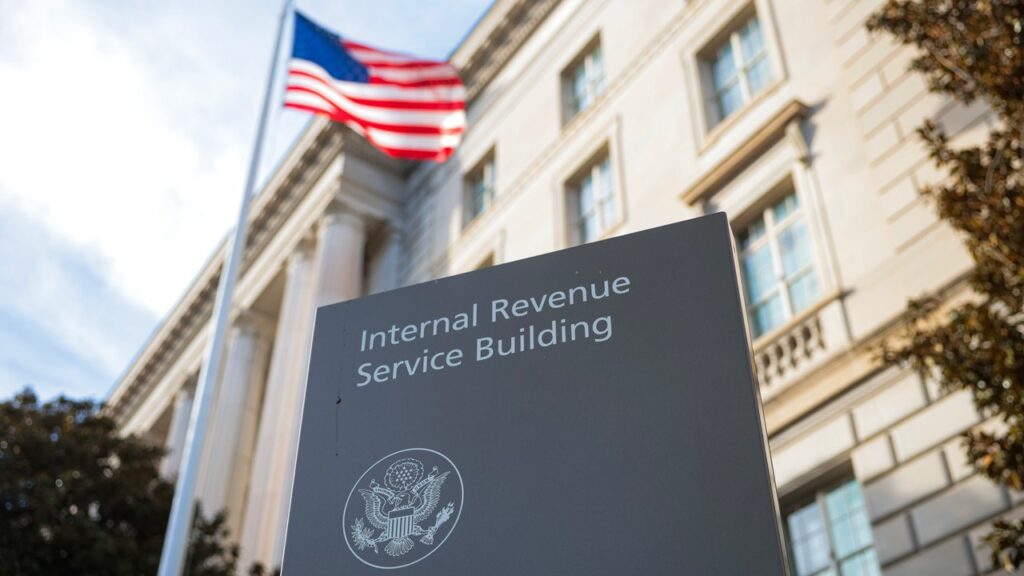
A sweeping Internal Revenue Service enforcement campaign targeting conservation-easement transactions has ensnared more than 1,100 taxpayers in audits and court disputes, raising questions about the agency’s authority to unilaterally alter decades-old tax provisions. The IRS action, launched through Notice 2017-10 in late 2016, branded a broad category of land-conservation donations as “presumptively abusive” retroactively to 2010, without formal rulemaking, public comment, or Congressional authorization.
The conservation-easement program, created through IRS revenue ruling more than 60 years ago and codified in tax law since 1976, has incentivized landowners to donate development rights to their property in exchange for tax deductions. Tens of millions of acres have been conserved through the program, which Congress and Treasury encouraged for decades as a tool for environmental protection and preservation of working lands.
As of May 2026, the enforcement campaign has resulted in approximately 740 cases docketed in U.S. Tax Court and roughly 400 transactions still under examination. The IRS imposed a 100% audit rate on all syndicated conservation-easement transactions and deployed cookie-cutter metrics to challenge deductions, according to critics who say the agency pressured taxpayers to settle for tens of millions in disputed payments.
A bipartisan Senate Finance Committee investigation identified genuine abuses in some syndicated deals, including inflated land valuations and outsized deductions. However, critics argue that evidence of fraud by some promoters does not justify presuming every investor knowingly participated in illegal tax shelters or knowingly violated the law.
The Treasury Inspector General reported in May 2026 that the IRS itself engaged in improper conduct, discovering seven cases involving backdated penalty-approval documents and conceding more than $68 million in penalties. The revelation underscores concerns that the agency has operated beyond its statutory authority, effectively rewriting tax code without Congressional involvement.

More Stories
Federal voting arrest in New Jersey adds new pressure point in Sherrill-Trump standoff
Colombia backs Trump security push while limiting U.S. role in anti-gang operations
Former NFL cheerleader and ex-aide face off in close Rhode Island GOP primary