

 Written by “Beach Beat” Correspondent, Holly Robinson
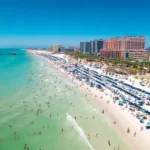
Florida’s beaches are legendary for spring break—think endless white sand, turquoise waves, and crowds that swell like the tide. But with thousands of partygoers descending on Clearwater Beach each March, things can get chaotic fast: fights, lost kids, drunk drivers, even rip-current rescues. That’s where the Clearwater Police Department steps in with something straight out of sci-fi—a pilot drone program that’s turning heads this year.
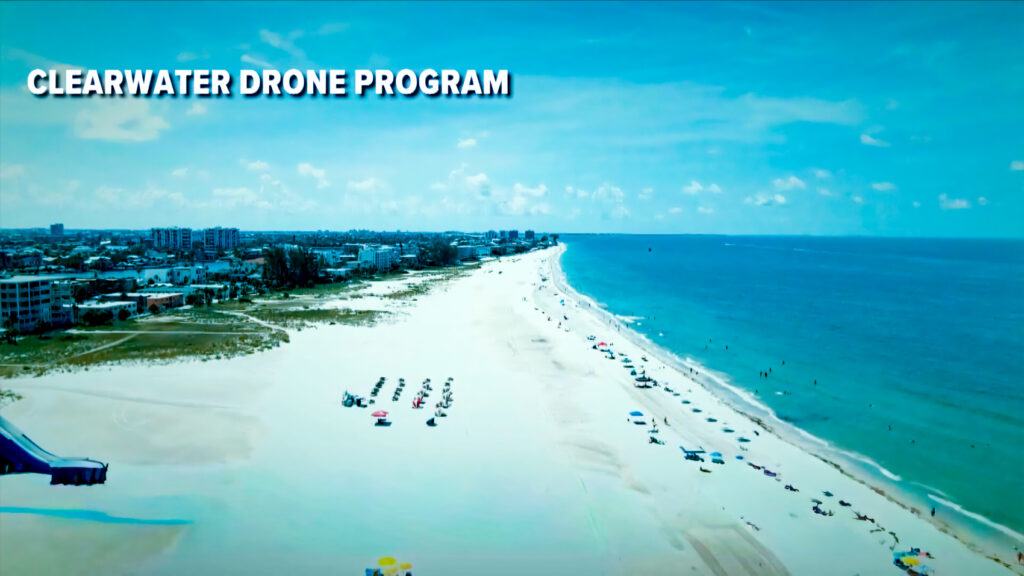
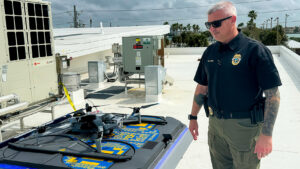
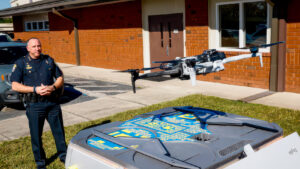
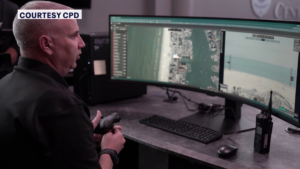
Launched right as spring break kicked off in early March 2026, the “Drone as First Responder” initiative deploys a single high-tech Skydio X10 drone to cover the full 2.5-mile stretch of beach. No more waiting for patrol cars to crawl through gridlock. When a 911 call hits—say, a brawl near the pier or someone waving for help in the water—the drone launches in seconds from a fixed spot, zipping overhead with live video feed straight to officers’ screens.
It’s like having an extra set of eyes that never blinks. Sgt. Kevin Klein, who’s been demoing the setup, says it cuts response times big-time. “We get eyes on the scene before we even roll up,” he told local news. “Whether it’s verifying a fight, spotting a missing swimmer, or just scanning for trouble in the crowd—it’s safer for everyone.” The drone’s got thermal cameras, zoom lenses, and autonomous flight, so it dodges birds and stays steady even in gusty winds. And yeah, it’s quiet—most folks won’t notice until they look up and see this sleek gray quadcopter hovering like a guardian angel.
This isn’t just Clearwater going rogue. Florida law enforcement’s been leaning hard into tech for years—think body cams, predictive policing apps, even AI for license-plate reads. But drones? They’re the next wave. Miami-Dade’s used them for crowd control at events; Orlando PD’s flown them over theme-park lines. The idea’s simple: tech keeps officers out of harm’s way while giving them superhuman reach. In a state where tourism is the lifeblood, safer beaches mean happier visitors—and fewer lawsuits.
The program’s tiny—one drone, one-month trial—but the results are already promising. Fire crews get overhead views of brush fires or stranded boats. Lifeguards spot struggling swimmers faster. And for cops, it’s a game-changer: assess risks remotely, decide if backup’s needed, or de-escalate before boots hit sand. No more blind arrivals into hot spots.
Of course, privacy folks raise eyebrows—drones buzzing over sunbathers? CPD insists it’s call-only, no constant surveillance, and footage gets deleted quickly unless it’s evidence. Still, it’s part of a bigger shift: Florida’s turning tech into a safety net. From hurricane evacuations to festival security, drones are proving they can do what humans can’t—be everywhere at once.
Yes, spring break can be wild, but Clearwater is taking steps to make it smarter; one drone at a time, as Florida cops are proving tech isn’t just flashy—it has the potential to be lifesaving. If this pilot flies high, expect more beaches and many other jurisdictions to roll out their own eyes in the sky in very short order.
What do you think about the use of drone technology by police? For this or possibly in other capacities? Does this seem like a violation of privacy? We would love to hear your views in the comments!


More Stories
Howard Frankland Bridge Closure Set